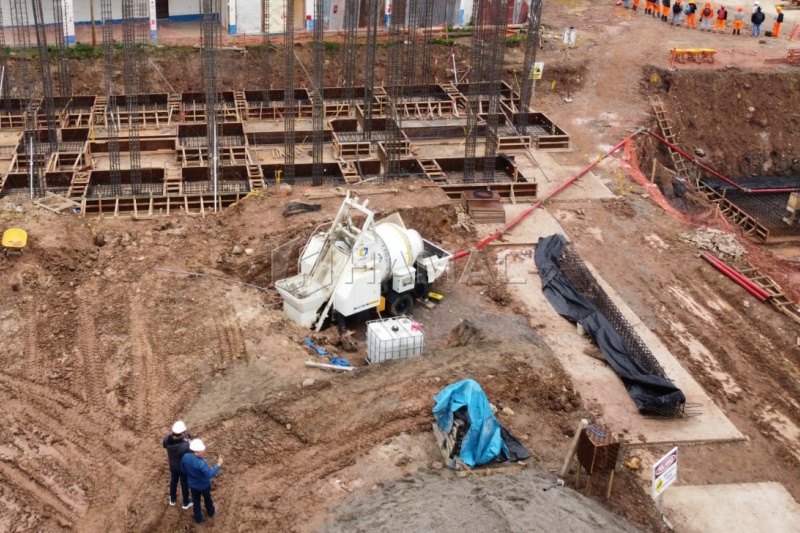
Concrete mixer with pump machine is a kind of concrete pumping equipment which adopts the fully automatic construction operating system, integrates feeding, mixing and high-pressure pumping. According to the mixing system, the machine can be divided into drum type concrete trailer mixer pump and forced towed mixing pump. And electric concrete mixer pump and diesel concrete mixer with pump based on the dynamical system. The concrete mixer with pump equipment for sale in HAMAC is easy to be operated, stable in performance and convenient to be moved, which makes it very popular with customers and receive high praise from buyers.
Features of Concrete Mixer with Pump
-
1. The combination of mixing and pumping can reduce procurement costs, save weight and transportation space at the same time.
-
2. It can achieve on-site stirring, continuous pumping, which can greatly improve the construction efficiency and accelerate the construction process.
-
3. Simple operation, high degree of mechanization, which can greatly save the labor.
-
4. Wide applications. The total power is much smaller than that of conventional mixers and concrete pumps, so it is suitable for construction in rural areas.
-
5. Convenient and flexible to move, strong mobile performance, which makes it suitable for multi-site alternate operation.
Configuration notes for pump
Pumping height and pipeline length reduce achievable output. A pump rated at 60 m³ per hour at ground level will deliver considerably less at 100 metres of horizontal pipeline. In practice, the delivered scope for this type of work usually includes:
- hydraulic pump unit with variable displacement control
- S-valve or gate valve with hardened wear plates and cutting ring
- delivery pipeline sized to the concrete mix and vertical lift
- outrigger frame and stabilisers for safe placement
Site and operating conditions
Equipment working in the destination market has to deal with local material grading, power supply stability and the availability of skilled operators, all of which influence the final configuration more than the catalogue rating does. These points are reviewed during the technical clarification stage, because they change foundation design, electrical protection and the maintenance schedule.
What buyers should check before ordering
- confirm the output and pressure figures are quoted at the required horizontal and vertical distance
- check the maximum aggregate size the pump handles with your mix design
- verify the pipeline diameter matches the slump and aggregate of your concrete
- ask about wear plate and cutting ring life under your aggregate type
- confirm after-sales support and spare parts for the hydraulic system
Key takeaways
- Base the selection on daily output and actual material, not on a model number.
- Confirm the quoted capacity matches your material and site conditions.
- Plan wear parts and a spare parts kit from the first year of operation.
HAMAC can review your requirement and propose a comparable configuration with a clear scope, schedule and support plan.





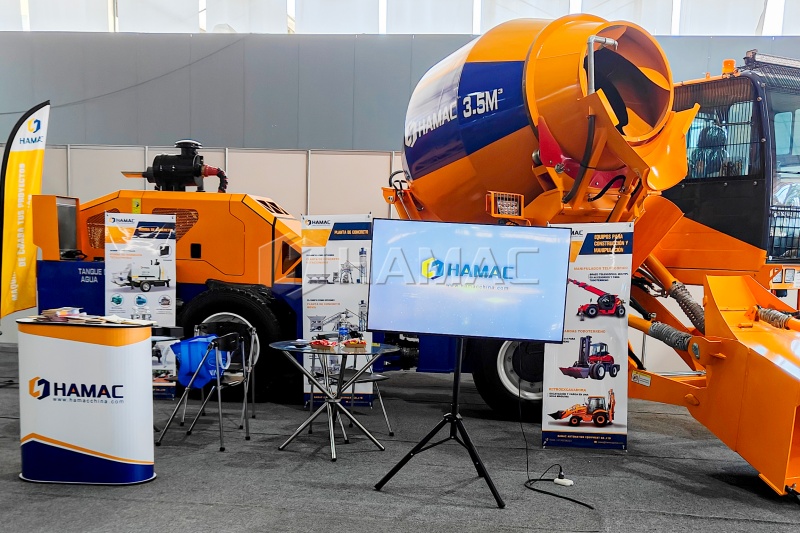
 Exhibitions