How concrete plants recycle wash water and process water, the systems involved and the savings they deliver.
Why recycle water
A concrete plant uses significant water for mixing, washing trucks and cleaning equipment. In water-scarce regions and increasingly under environmental rules, discharging that water is costly or prohibited. Recycling reduces both water purchase and discharge cost.
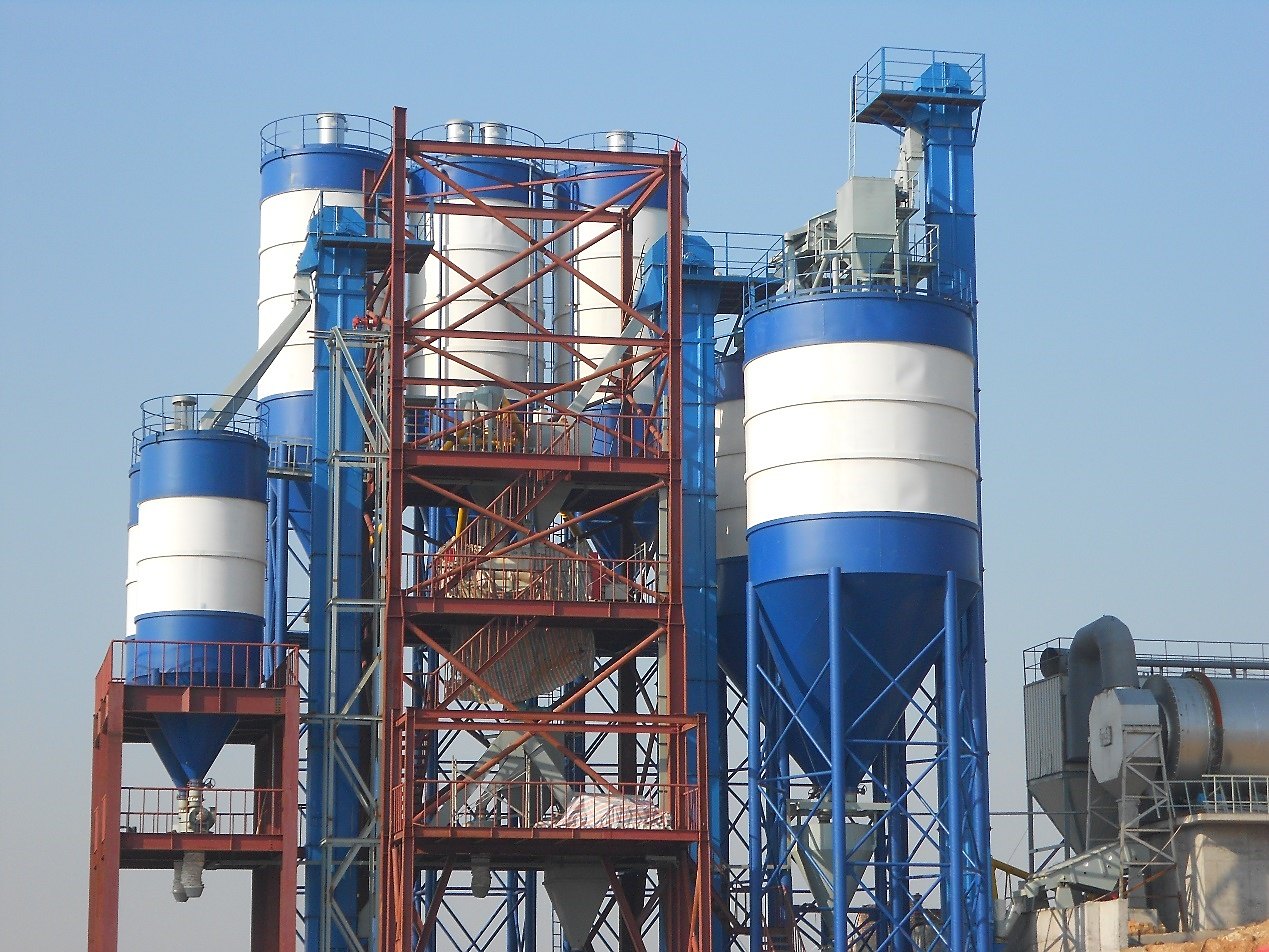
HAMAC dry mix mortar plant - 7.
How a recycling system works
Wash water is collected in settling tanks or a recirculation pit, where solids settle out. Clarified water is then reused for mixing or washing, and the recovered aggregate can be returned to stockpile where specifications allow. A series of settlement stages improves water quality.
Use
Fresh water
Recycled water
Mixing
Preferred
Possible with testing
Truck washing
Optional
Common
Equipment cleaning
Optional
Common
Quality control is essential
Recycled water contains fines and residual admixtures that can affect concrete setting and strength. It must be tested and blended to keep it within limits. Many plants use recycled water for washing and fresh water for mixing, which is a simpler and safer starting point.
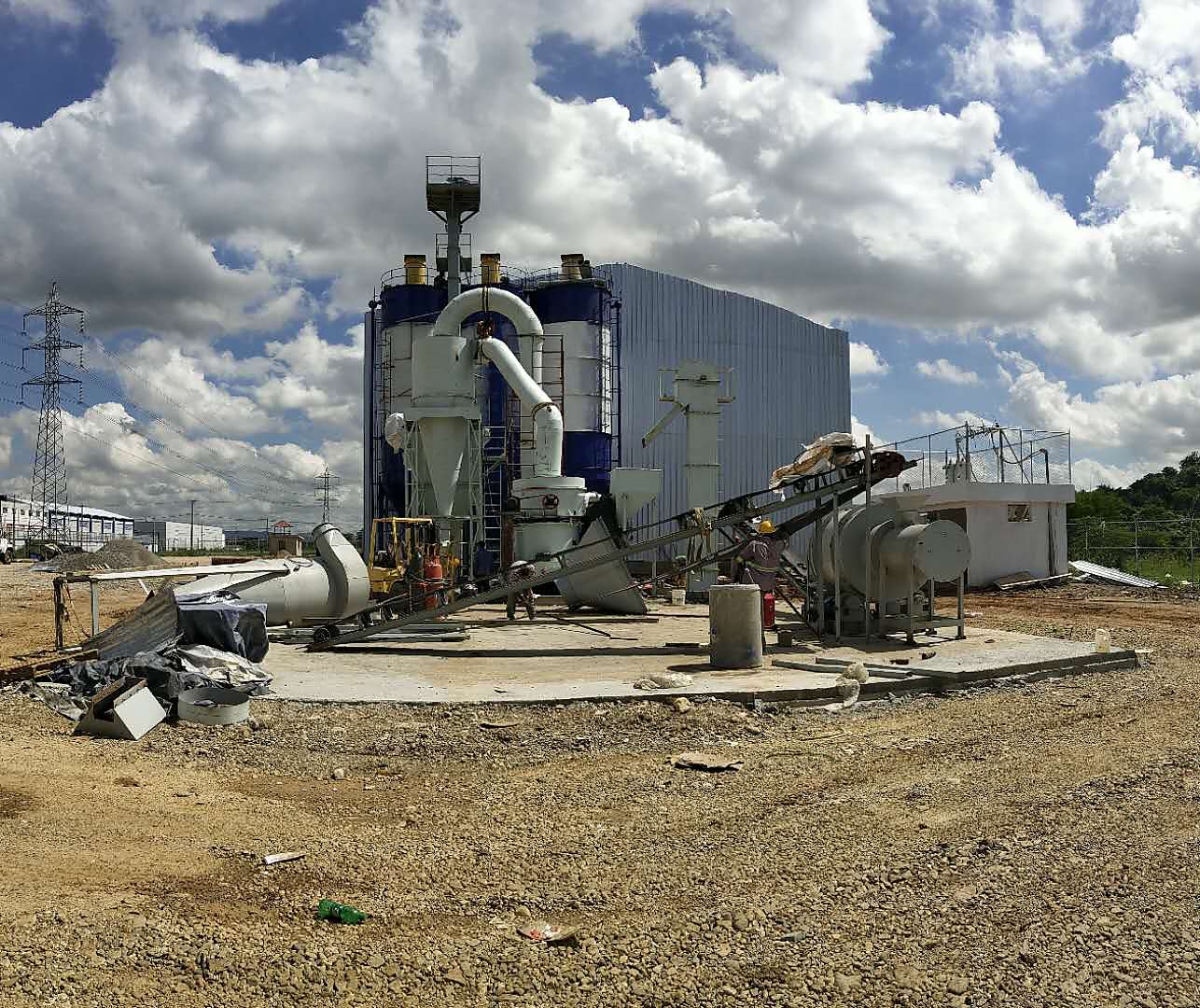
HAMAC dry mix mortar plant - 5.
Need help applying this to your project?
Send your material type, target output and site conditions to HAMAC engineers. You will receive a practical equipment configuration and a clear quotation, normally within one working day.
Questions about this topic
Why recycle water at a concrete plant?
To reduce water purchase and discharge cost and to meet environmental requirements.
How does a recycling system work?
Wash water settles in tanks, clarified water is reused and recovered solids are returned where specifications allow.
Can recycled water be used for mixing?
Yes, but it must be tested and blended because fines and residual admixtures affect concrete properties.
H
HAMAC Machinery Editorial Team
Written and reviewed by engineers and sales specialists who configure concrete batching plants, crushers, mixers and pumps for projects in more than 180 countries. Content is based on factory testing data and field feedback from delivered equipment.





 Company News

