A realistic look at automation in quarries and crushing plants: where it improves output and where simple measures work better.
What automation can do well
Automatic controls can hold crusher settings at their optimum, adjust feed rates and stop the plant when a blockage or overload is detected. This improves consistency and protects equipment, which is valuable on large, continuous operations.
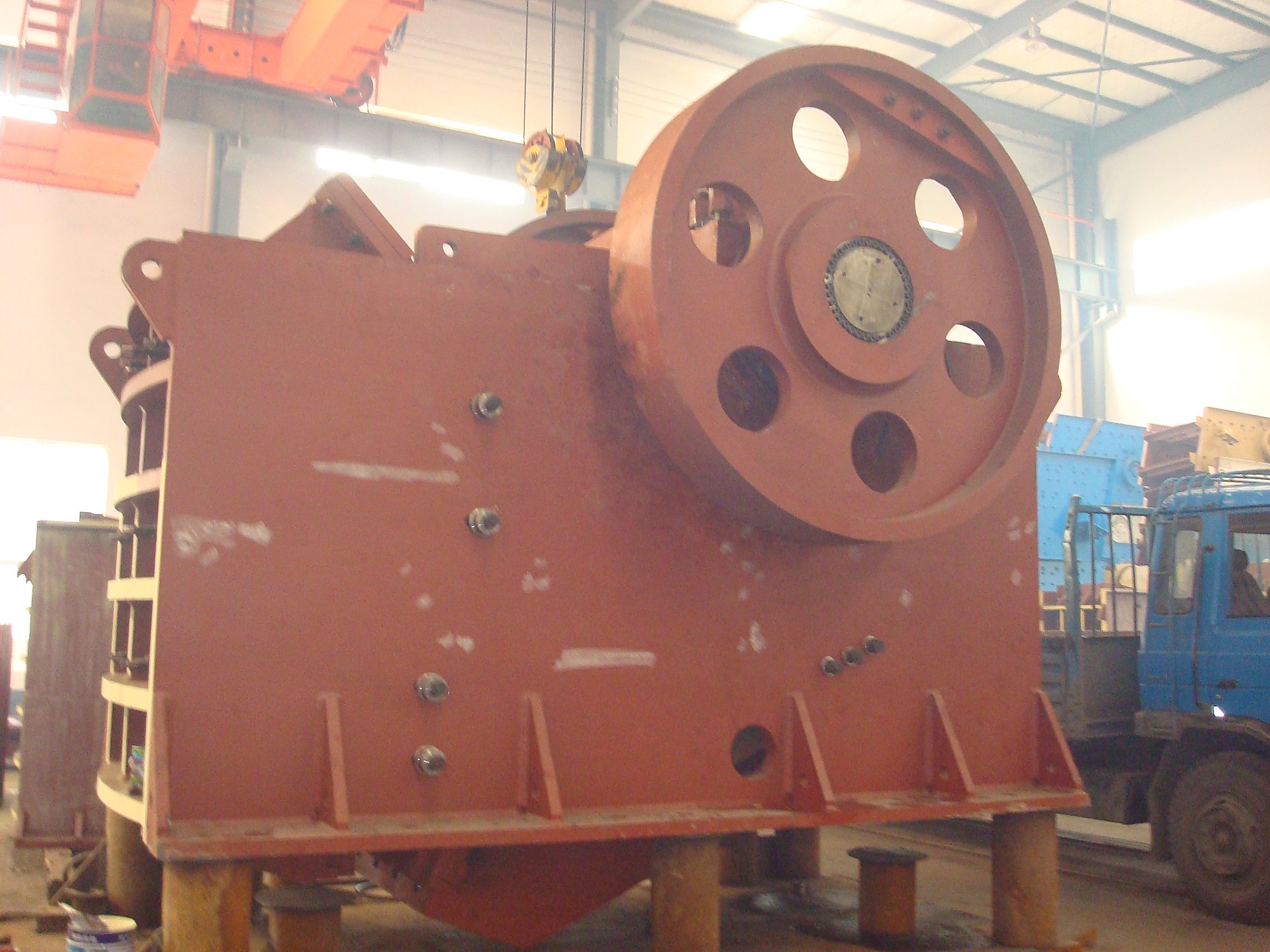
HAMAC stone crusher machine - 3.
Where it pays back
Automation pays back where the plant runs long hours and where consistency is contractually required. A control system that keeps a crusher choke-fed can raise throughput and improve product shape. On a small, intermittent quarry, the same investment may never repay.
The basics first
Before adding automation, get the fundamentals right: correct screen sizes, stable feed, good lubrication and a preventive maintenance routine. Automation cannot compensate for a poorly configured plant or neglected equipment.
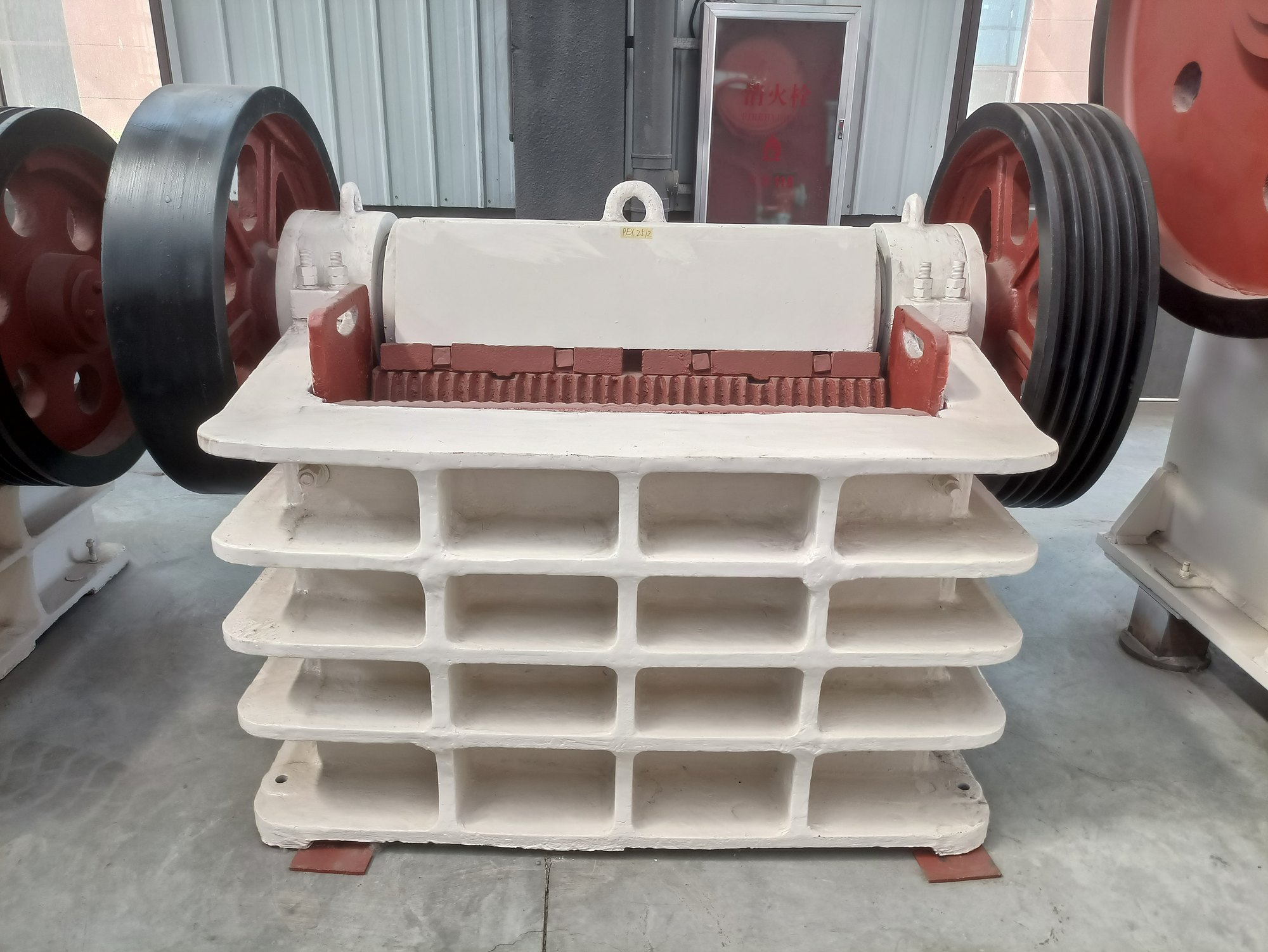
HAMAC stone crusher machine - 10.
Need help applying this to your project?
Send your material type, target output and site conditions to HAMAC engineers. You will receive a practical equipment configuration and a clear quotation, normally within one working day.
Questions about this topic
Where does quarry automation pay off?
On large, continuous plants where consistency and throughput are contractually important.
What should come before automation?
Correct screening, stable feed, good lubrication and preventive maintenance.
Can automation fix a badly set-up plant?
No. It improves a well-configured plant but cannot compensate for fundamental layout or maintenance problems.
H
HAMAC Machinery Editorial Team
Written and reviewed by engineers and sales specialists who configure concrete batching plants, crushers, mixers and pumps for projects in more than 180 countries. Content is based on factory testing data and field feedback from delivered equipment.





 Company News

