The causes of concrete pump pipeline blockages and the practical steps that keep a pour flowing.
Most blockages start before the pump
A blocked line is rarely a pump fault. It usually begins with a mix that is too dry, has oversize aggregate or poor grading, or has been left too long and started to set. Checking the mix before it enters the hopper is the cheapest form of prevention.
The slump should match the pump and the pipe length. A mix that is ideal for a short ground-level pour may block a long vertical line.
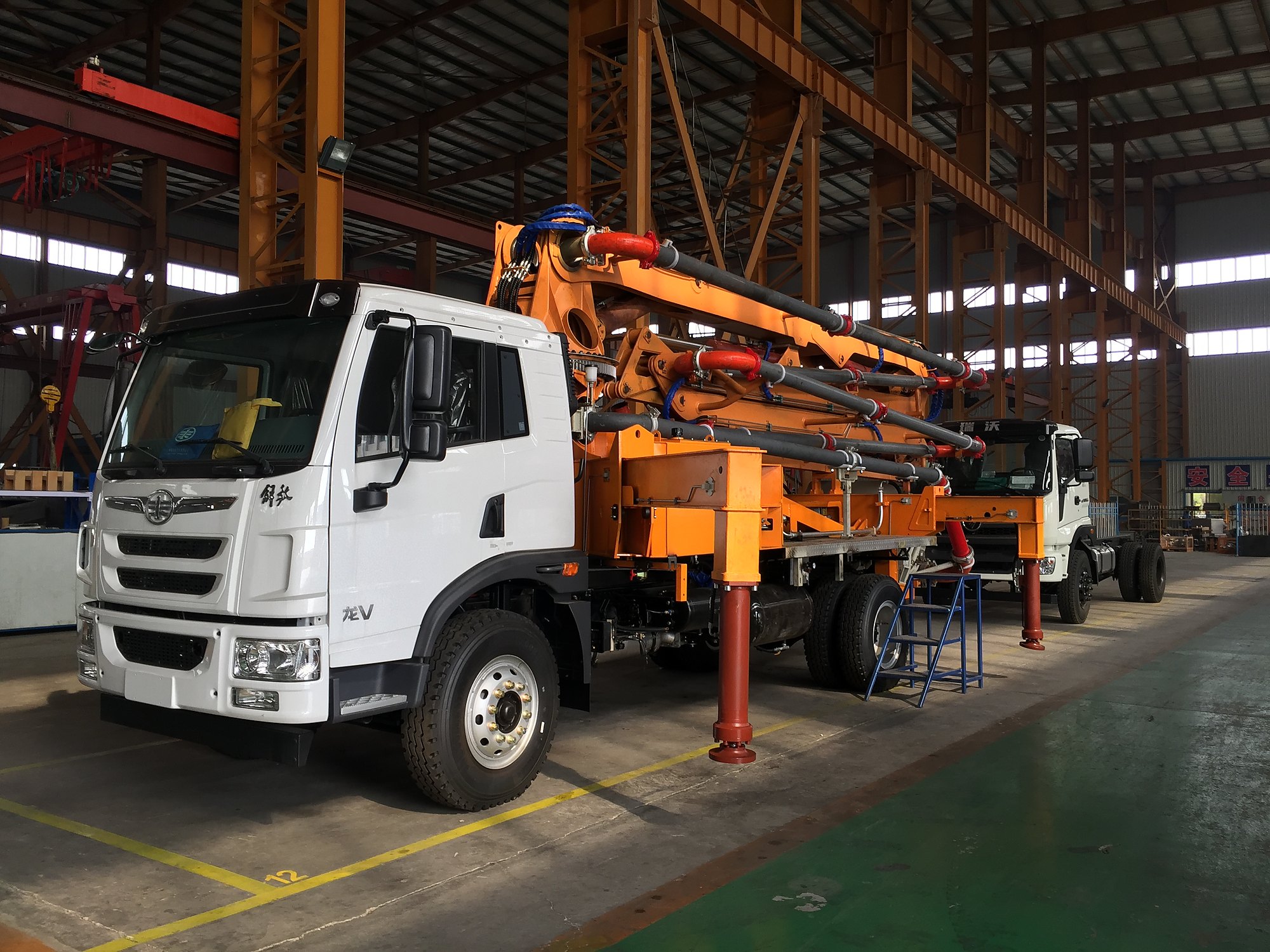
HAMAC concrete pump truck - 6.
Pipeline layout matters
Use the largest practical pipe diameter, minimise bends and avoid sudden reductions. Every elbow adds resistance. Support the line so it does not flex under pressure, and keep it clean: a residue left from the previous pour can trigger a blockage at the start of the next one.
Cause
Prevention
Low slump mix
Match slump to pipe length
Oversize aggregate
Check grading against valve size
Too many bends
Simplify pipeline layout
Dirty pipeline
Flush thoroughly after each pour
Operating practice during the pour
Keep the hopper well supplied so the pump does not draw air, and pump slowly at the start to coat the line with grout before concrete arrives. If pressure rises sharply, stop and reverse briefly rather than forcing it. Have the right cleaning equipment ready before the pour begins.
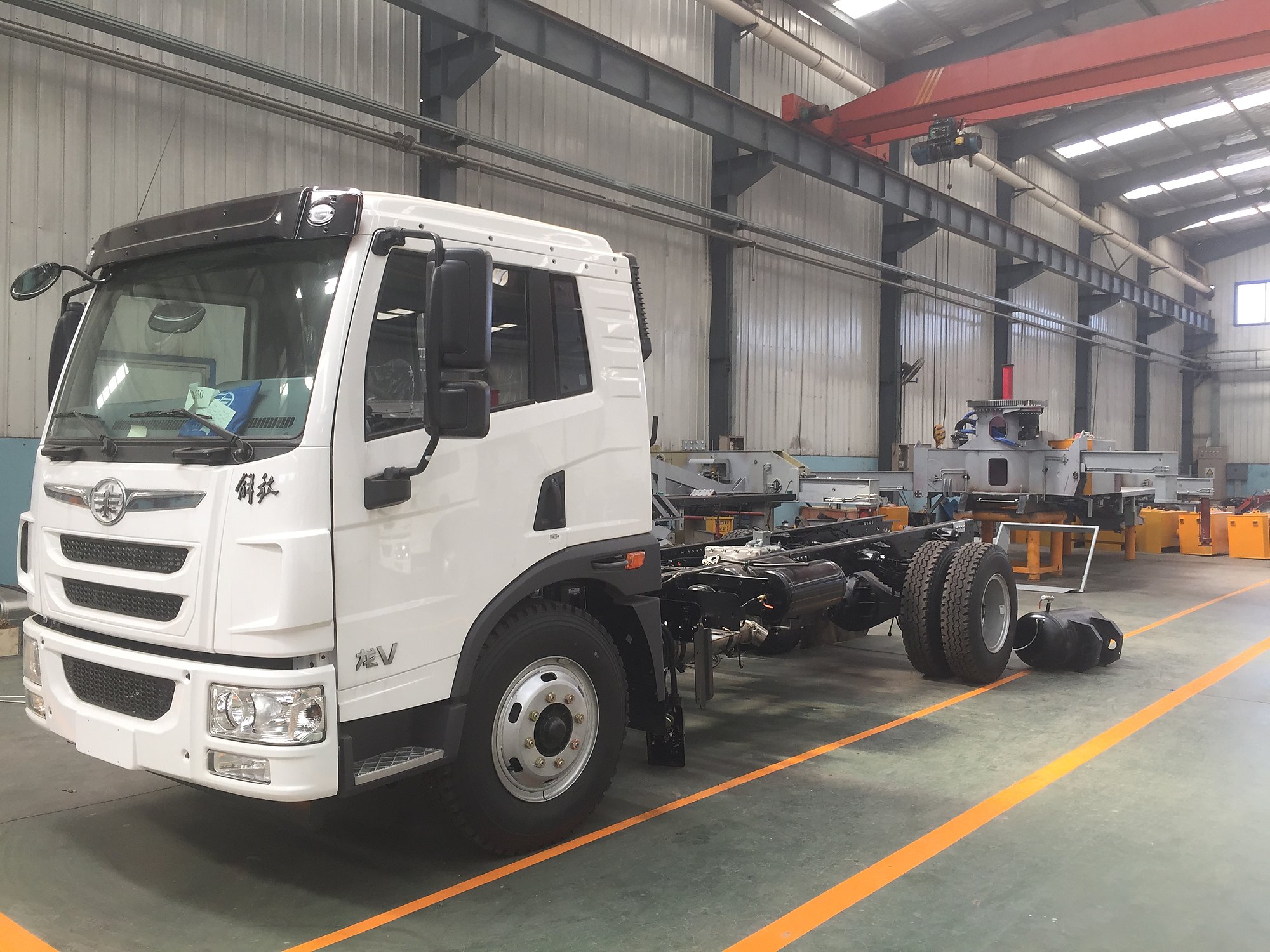
HAMAC concrete pump truck - 9.
Need help applying this to your project?
Send your material type, target output and site conditions to HAMAC engineers. You will receive a practical equipment configuration and a clear quotation, normally within one working day.
Questions about this topic
What causes most concrete pump blockages?
Poor mix design, low slump, oversize aggregate, too many bends and a pipeline that was not properly cleaned or primed.
How do I start a pump pour safely?
Pump grout first to lubricate the line, keep the hopper full and start at low speed before increasing output.
What should I do if pressure rises suddenly?
Stop pumping, reverse briefly to relieve the line and investigate rather than forcing more concrete through.
H
HAMAC Machinery Editorial Team
Written and reviewed by engineers and sales specialists who configure concrete batching plants, crushers, mixers and pumps for projects in more than 180 countries. Content is based on factory testing data and field feedback from delivered equipment.





 Company News

