Report Introduction
Starting from May 1, 2026, China will implement comprehensive zero-tariff treatment for all 53 African countries with diplomatic ties, a landmark move in the history of China-Africa economic and trade cooperation. On the basis of the full zero-tariff treatment for 33 African least developed countries effective since December 1, 2024, this policy further includes 20 non-least developed African countries in the preferential scope, continuously deepening China-Africa win-win economic and trade cooperation.
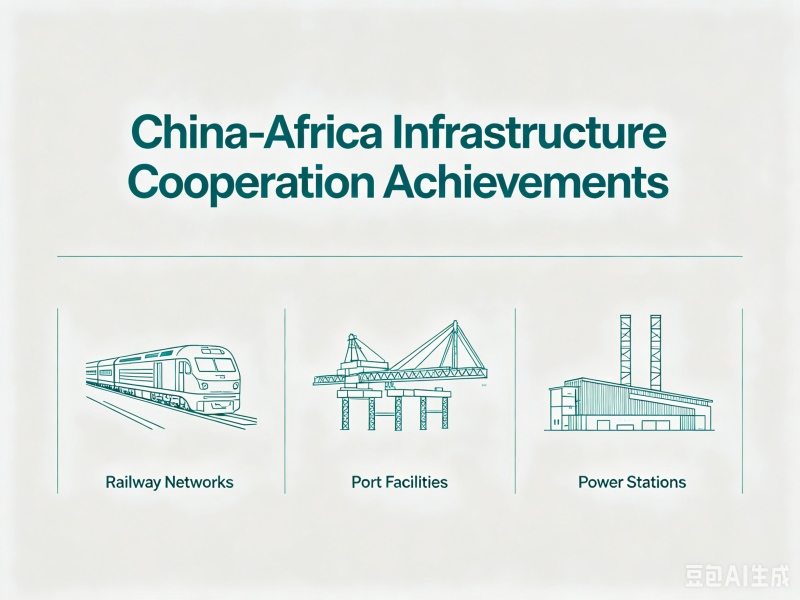
China’s zero-tariff policy for Africa mainly lifts tariffs on African agricultural products, mineral products, handicrafts and other goods exported to China, directly helping African countries increase export income and accumulate foreign exchange reserves, thereby greatly improving their investment capacity in infrastructure construction and industrial development.
1. Core Content of China’s Zero-Tariff Policy for Africa
Issued by the Customs Tariff Commission of the State Council, the policy is valid from May 1, 2026, to April 30, 2028, with specific implementation rules as follows:
-
33 African least developed countries: Have enjoyed 100% zero tariffs on all tax items since December 1, 2024.
-
20 non-least developed African countries: Zero tariffs are applied to all products conforming to origin rules.
-
Core policy principles: Unilateral, no additional conditions, full coverage.
2. Core Impacts of Zero-Tariff Policy on Africa’s Import of Equipment from China
-
Increased African foreign exchange reserves, greatly abundant funds for equipment procurement
-
Smoother China-Africa trade settlement, simplified equipment import process
-
Accelerated African infrastructure and industrialization, diversified outbreak of equipment demand
-
Further highlighting the cost-effective advantages of Chinese equipment
-
Facilitating the African Continental Free Trade Area, more convenient cross-border circulation
3. Cost Comparison Table for Importing Chinese Machinery
|
Cost Item |
Before Policy |
After Policy |
Cost Change |
|
Equipment Price |
$120,000 |
$120,000 |
No Change |
|
Import Tariff (20%) |
$24,000 |
$0 |
-$24,000 |
|
Customs & Logistics |
$12,100 |
$8,900 |
-$3,200 |
|
TOTAL COST |
$156,100 |
$128,900 |
-17.4% |
4. Project Cases in Africa
Case 1: Lagos, Nigeria – Concrete Mixing Plants & Pumps
HAMAC supplied 2 sets of HZS75 concrete mixing plants, 4 concrete pumps, and 6 mixer trucks for large infrastructure projects. With zero-tariff benefits, the client saved 22% of total cost.
Case 2: Ethiopia – Dry Mortar & Mobile Mixing Plant
Full set production line for industrial park. Dual-power system for unstable local electricity. Total cost reduced by 19%.
Case 3: Tanzania – Crushing Production Line for Mining
Complete stone crushing plant including jaw crusher, impact crusher, and vibrating screen. Efficiency increased by 50%.
Case 4: Kenya – Small Municipal Engineering Equipment
JBT30 integrated mixer pump and mobile mixing stations for rural roads and community buildings.
Case 5: Ghana – Rural Water Conservancy Projects
HZS35 concrete mixing plant and DHBT40 concrete pump. Short delivery, stable performance, low maintenance.
Conclusion
China’s zero-tariff policy brings huge opportunities for African customers importing construction equipment from China. It reduces costs, simplifies import procedures, increases purchasing power, and strongly supports infrastructure and industrial development across Africa.
References: Customs Tariff Commission of the State Council, China Chamber of Commerce for Import and Export of Machinery, African Union Commission, 2026.





 Company News

