A ten-year cost model for a concrete batching plant: capital, energy, wear parts, labour and downtime, with worked figures.
The purchase price is only the starting point
Over a ten-year life, the initial purchase price of a batching plant is often less than half of the total cost. Energy, wear parts, labour and downtime accumulate quietly and can exceed the capital cost on a heavily used plant.
A useful model separates fixed costs, which you pay whether the plant runs or not, from variable costs, which scale with every cubic metre produced.
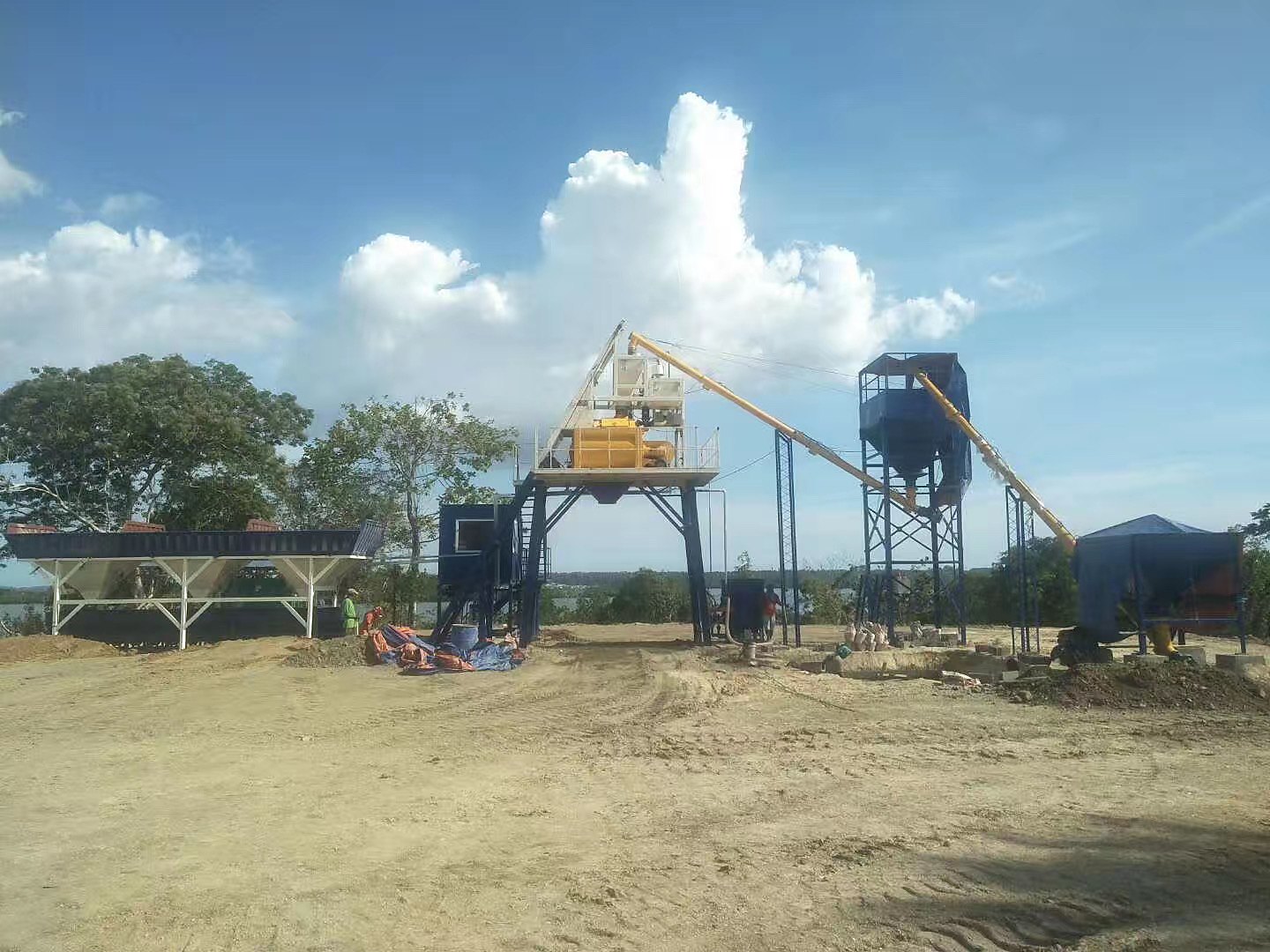
HAMAC concrete batching plant - 9.
Building the ten-year model
Start with delivered and installed capital. Add annual energy based on the connected load and utilisation, wear parts based on blade and liner life, routine labour, and an allowance for unscheduled downtime. Inflation and the cost of capital should be applied to each year.
The largest avoidable cost is usually downtime. A plant that stops for two weeks a year because spare parts were not stocked loses margin that a modest parts inventory would have protected.
Cost category
Ten-year share (typical)
Capital & installation
35-45%
Energy
15-25%
Wear parts
10-18%
Labour
12-20%
Downtime & losses
5-15%
Where a better specification pays back
Higher plate thickness, a better mixer and a more accurate weighing system cost more upfront but reduce wear-part frequency and improve batch consistency. On a plant producing 60,000 m3 a year, a small reduction in rejected concrete can pay for a better mixer within two years.
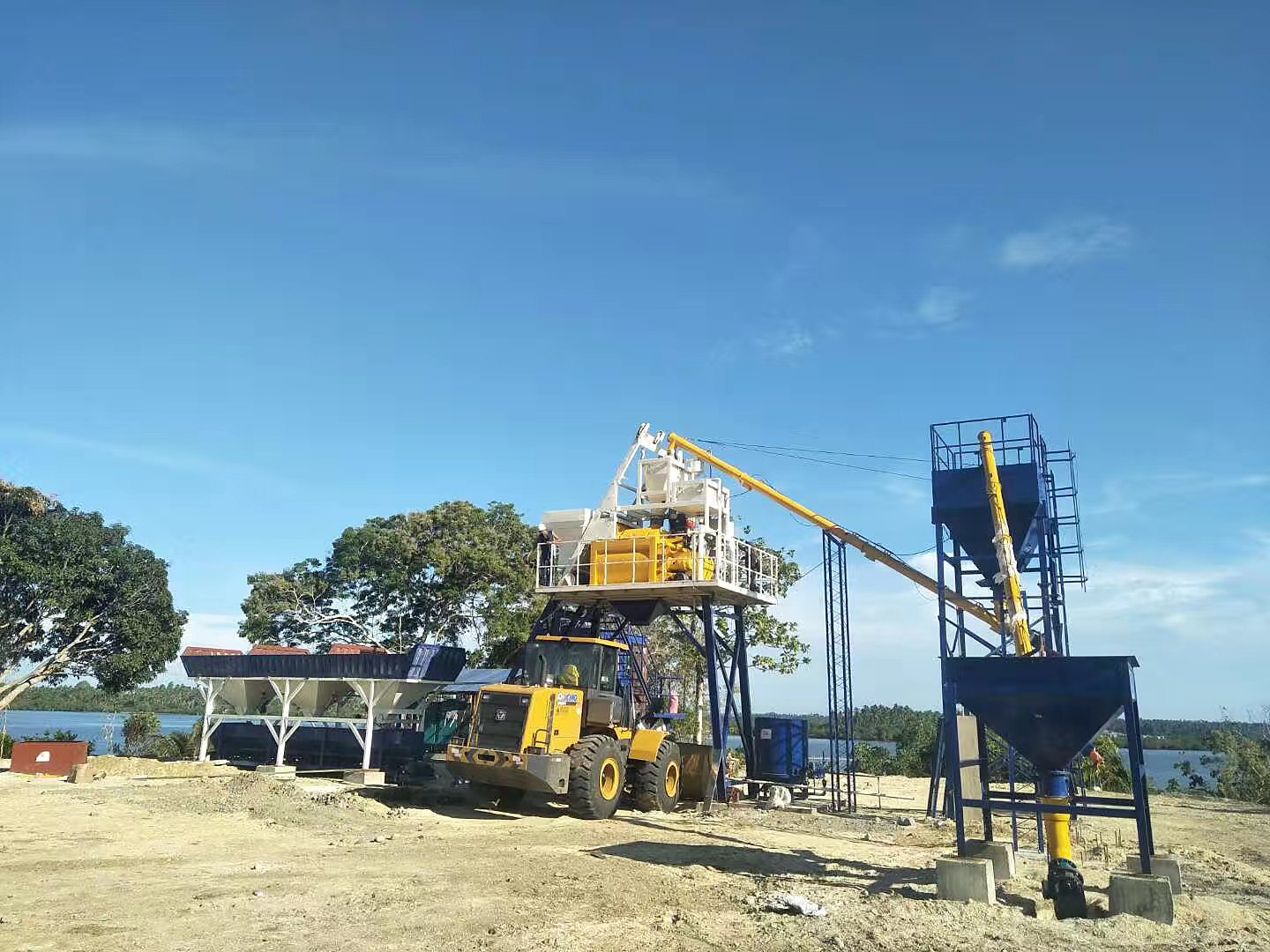
HAMAC concrete batching plant - 3.
Need help applying this to your project?
Send your material type, target output and site conditions to HAMAC engineers. You will receive a practical equipment configuration and a clear quotation, normally within one working day.
Questions about this topic
What is included in total cost of ownership?
Capital, installation, energy, wear parts, routine labour, maintenance, downtime and financing over the asset life.
What is the largest avoidable cost?
Unscheduled downtime, often caused by not stocking critical wear parts or by poor component quality.
Does a higher-spec plant have a lower TCO?
Often yes on high-utilisation sites, because better mixers and thicker structures reduce wear and improve batch consistency.
H
HAMAC Machinery Editorial Team
Written and reviewed by engineers and sales specialists who configure concrete batching plants, crushers, mixers and pumps for projects in more than 180 countries. Content is based on factory testing data and field feedback from delivered equipment.





 Company News

