




In this article
1. What is the standard width of a mini excavator?
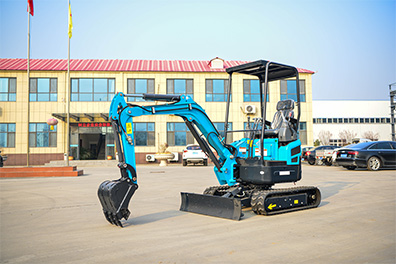
The standard width of a mini excavator typically ranges from 1.2 meters to 2.5 meters. The specific width varies depending on factors such as the model, configuration, and usage scenarios of the mini excavator. Generally, the wider the mini excavator, the wider its operating range. However, there may be limitations in narrow construction sites or during transportation.
2. Dimensions and Specifications of Mini Excavators
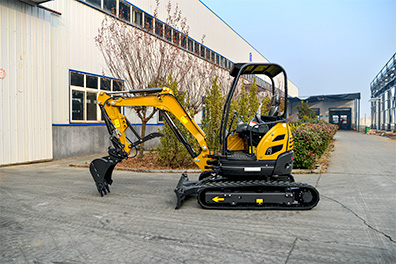
The dimensions and specifications of mini excavators are important factors affecting their work efficiency and usage. Generally, mini excavators are smaller in size compared to large excavators, but there are differences, as follows:
1. Width
The width of a mini excavator usually ranges from 1.5 meters to 3 meters. The specific width varies depending on the brand and model, with different excavators suitable for different occasions and environments. Some brands of mini excavators can adjust the width freely through hydraulic expansion to adapt to narrow situations, while also providing better stability and operational performance.
2. Length
The length of a mini excavator is typically between 4 meters and 7 meters, but it also varies depending on the brand and model. It's important to note that the length of a mini excavator determines its swing radius and working radius, so the selection should be based on actual needs.
3. Height
The height of a mini excavator is mostly around 2.5 meters to 4 meters, also influenced by the brand and model. Although the height of a mini excavator is limited, some brands of excavators can still adjust chassis height, boom extension, and bucket height through hydraulic systems to adapt to different situations and conditions.
4. Weight
Mini excavators come in various weight forms, ranging from 1 ton to over 10 tons. Some brands of excavators can adjust weight freely through hydraulic systems to better adapt to complex construction environments and terrains.
3. Common Sizes of Mini Excavators
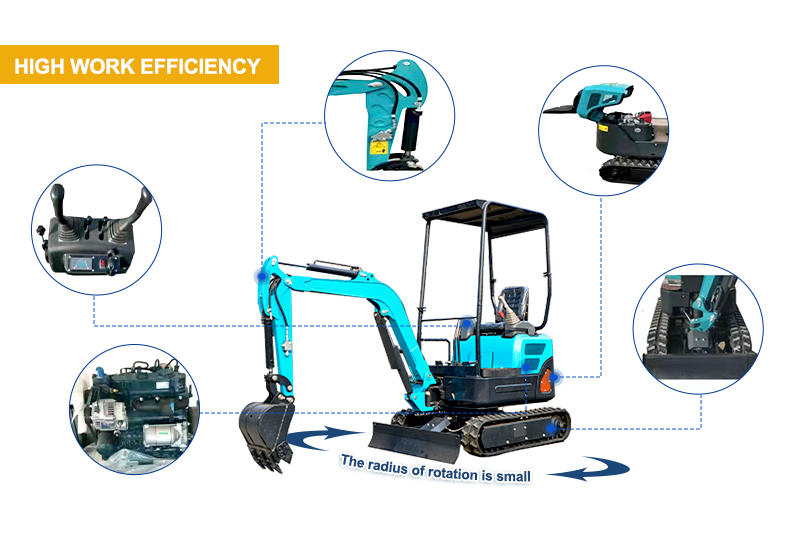
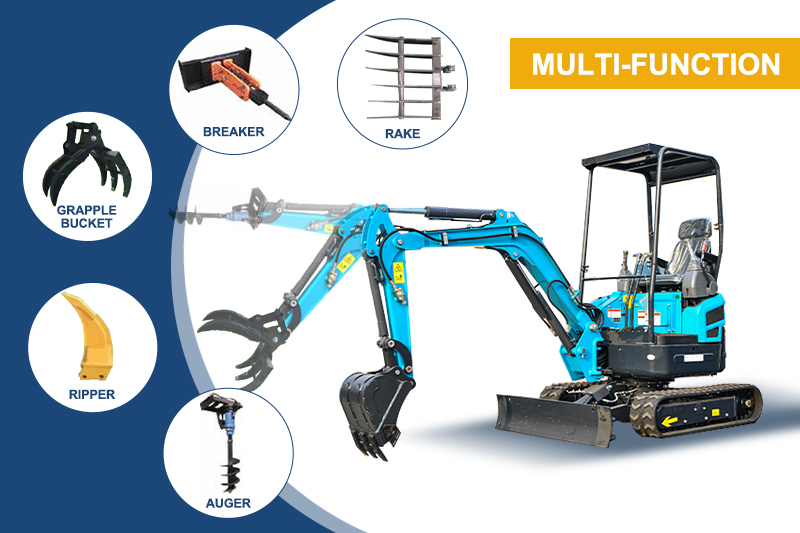
1. Mini excavators in the category of less than 2 tons typically have dimensions of around 3 to 4 meters in length, width, and height.
2. Mini excavators weighing between 2 to 5 tons have dimensions ranging from 4 to 5 meters in length, width, and height.
3. Mini excavators weighing between 5 to 8 tons typically have a length of 5 to 6 meters, a width of approximately 1.8 to 2.2 meters, and a height of around 3 meters.
4. Mini excavators weighing between 8 to 10 tons usually have a length between 6 to 6.5 meters, a width between 2.2 to 2.5 meters, and a height of approximately 3.2 meters.
4. Considerations When Using Mini Excavators
1. When purchasing, it's important to clearly understand your usage requirements and choose a model and size that suits your needs.
2. When using, adjustments should be made according to specific situations, avoiding excessive operations in narrow areas.
3. During operation, appropriate speed and angle should be selected based on the site conditions to avoid damage to the excavator.
In summary, the standard width of a mini excavator ranges from 1.2 meters to 2.5 meters. When using, it's important to make reasonable choices based on actual needs and site conditions to ensure work efficiency and lifespan.
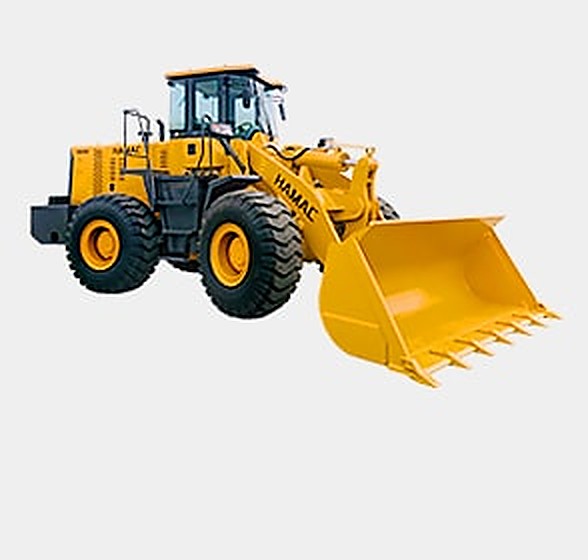 Wheel Loader
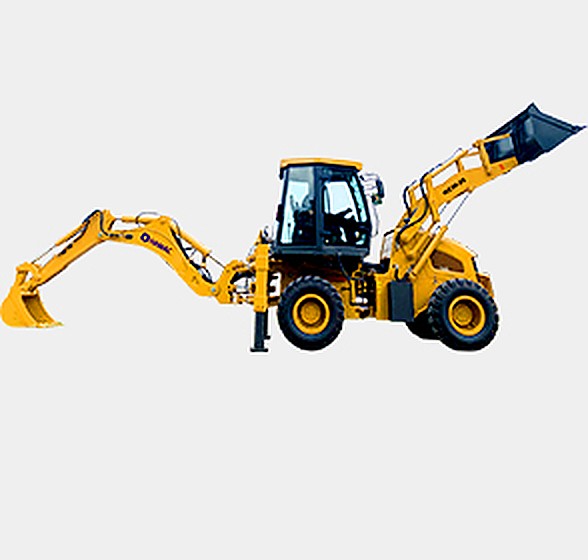 Backhoe Loader
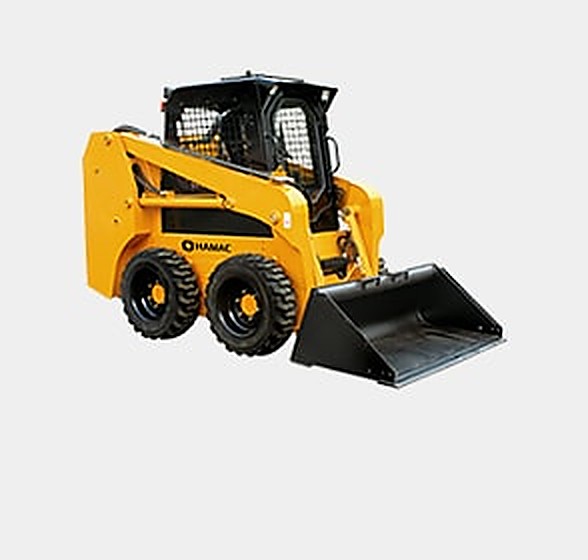 Skid Steer Loader
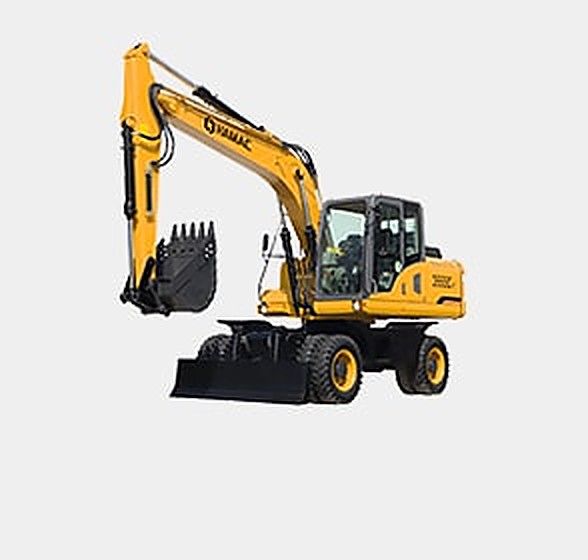 Wheel type Excavator
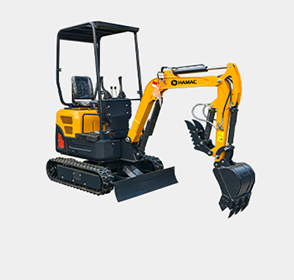 Mini excavator
 Crawler Excavators
Need help applying this to your project?
Send your material type, target output and site conditions to HAMAC engineers. You will receive a practical equipment configuration and a clear quotation, normally within one working day.
Questions about this topic
How do I choose batching plant capacity?
Estimate the concrete volume per day, then divide by the effective working hours. Add 20 to 30 percent headroom for peak demand. A 35 m³/h plant suits small contractors; 50 to 75 m³/h suits commercial supply; 90 m³/h and above suits large projects.
Which mixer type should I choose for my concrete?
Twin-shaft compulsory mixers are the default for commercial concrete because of short mixing cycles and uniform output. Planetary mixers suit high-grade or special mixes, and drum mixers suit smaller, simpler operations.
How often should wear parts be replaced?
Mixer blades and liners are inspected weekly and normally replaced every 6 to 12 months depending on abrasive content. Belt scrapers, screen meshes and pump wear plates follow the same inspection rhythm.
Can the plant be upgraded later?
Yes. Modular batching plants allow additional silos, a larger mixer or an upgraded control system to be added later without replacing the whole structure.
Keep reading
All news
Related articles
 Company News
HAMAC Expands Concrete Batching Plant Assembly Capacity
HAMAC Expands Concrete Batching Plant Assembly Capacity: how the process works at HAMAC, what is checked before shipment and what buyers can
Read more Exhibitions
HAMAC Highlights Concrete and Aggregate Equipment Solutions for Construction Projects
HAMAC Highlights Concrete and Aggregate Equipment Solutions for Construction Projects Equipment portfolio covers concrete production, mixing
Read more Company News
How HAMAC Controls Quality From Steel Cutting to Final Load Test
How HAMAC Controls Quality From Steel Cutting to Final Load Test: how the process works at HAMAC, what is checked before shipment and what bu
Read more