




In this article
Hollow Brick Making Machine: Revolutionizing Construction
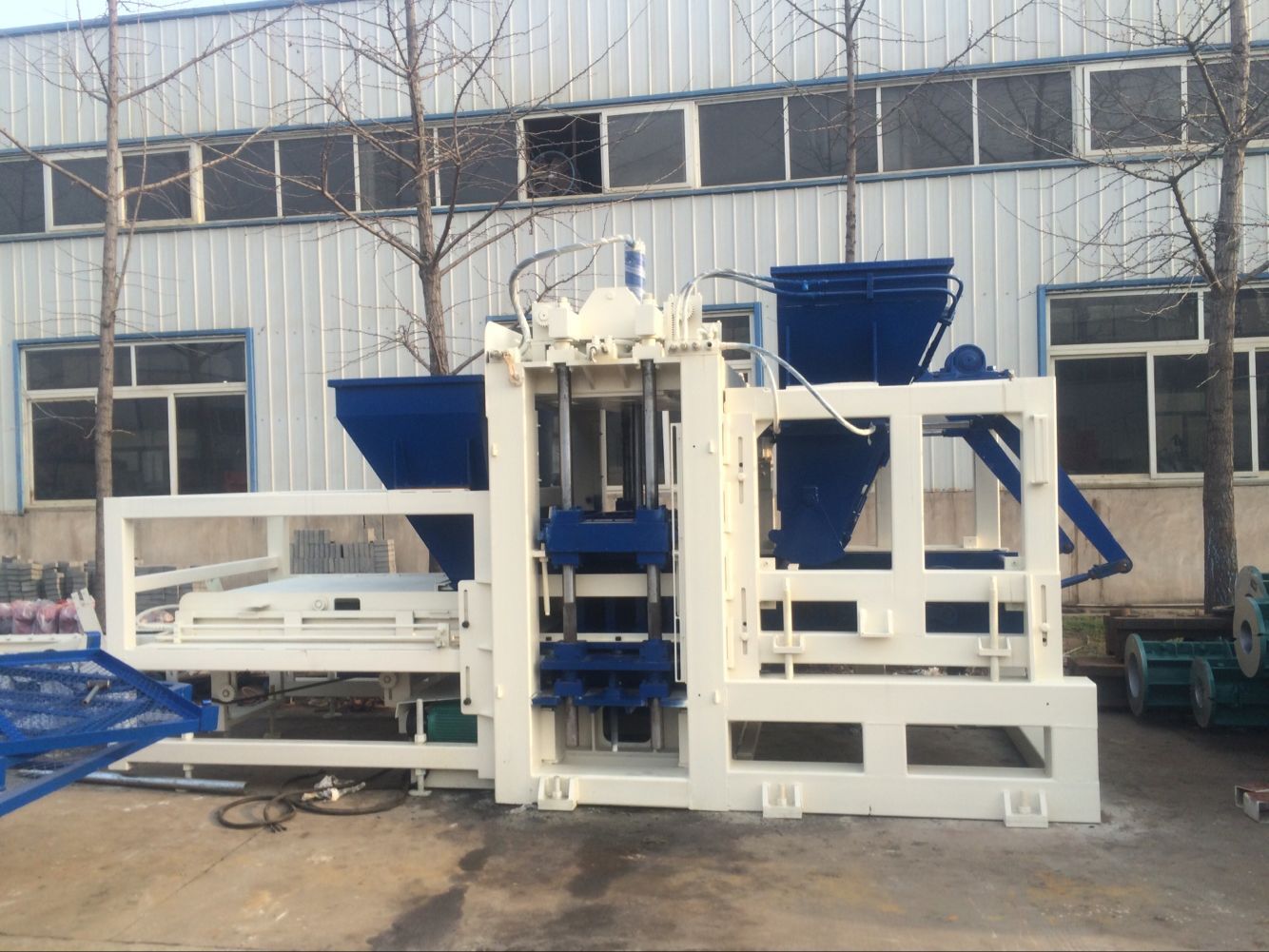
In the construction sector, automatic concrete cement hollow block making machines cost between $11,000 and $12,000. The machine is capable of automatically producing hollow bricks and the ability to update associated molds, thus providing versatility and flexibility in brick size. Its material adaptability further enhances its appeal and can easily meet a variety of construction needs. This innovation not only simplifies the brick-making process, but also uses resources efficiently to reduce environmental impact.
Introduction to Hollow Brick Making Machine:
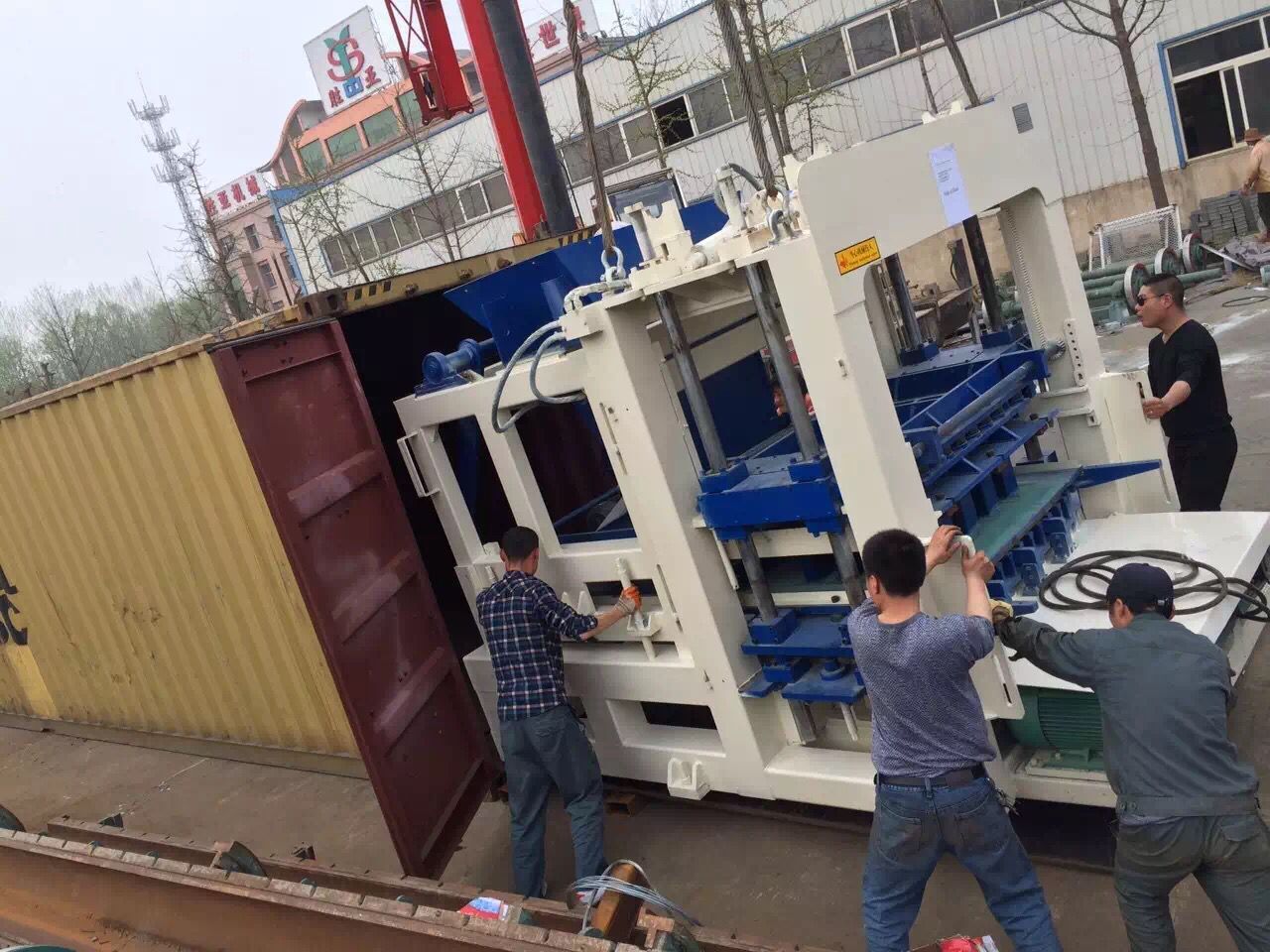
The Hollow Brick Making Machine is a versatile device designed to produce various types of bricks and blocks used in construction projects. From hollow blocks to paver bricks, this machine offers flexibility by allowing users to interchange molds for different sizes and shapes of bricks. Whether it's eco bricks, insulating blocks, solid blocks, or decorative bricks, the Hollow Brick Making Machine can cater to diverse construction needs with ease.
Types and Models:
- Mobile Type: Also known as the egg-laying concrete block making machine, this type is ideal for small-scale operations with ample working space. It produces blocks directly on the ground without the need for pallets.
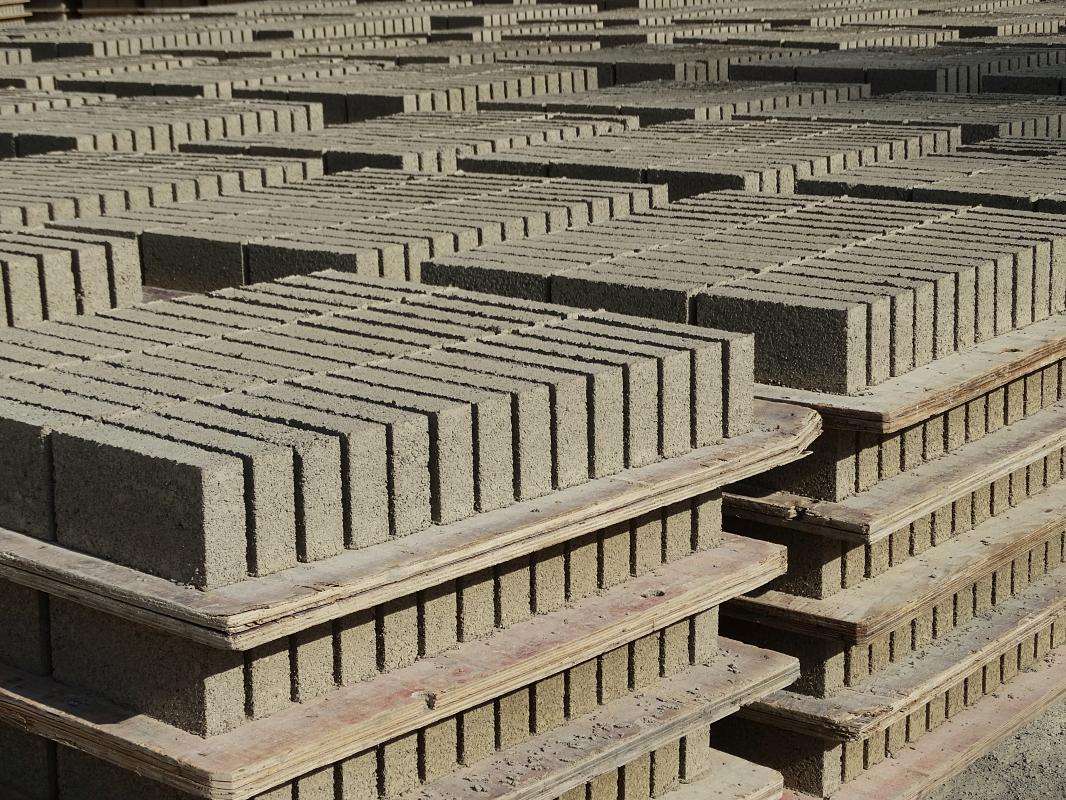
- Stationary Type: Suitable for medium to large-scale concrete block factories, this type boasts higher production capacities. It requires pallets to transport the blocks to the curing area for stocking.
Features and Advantages:
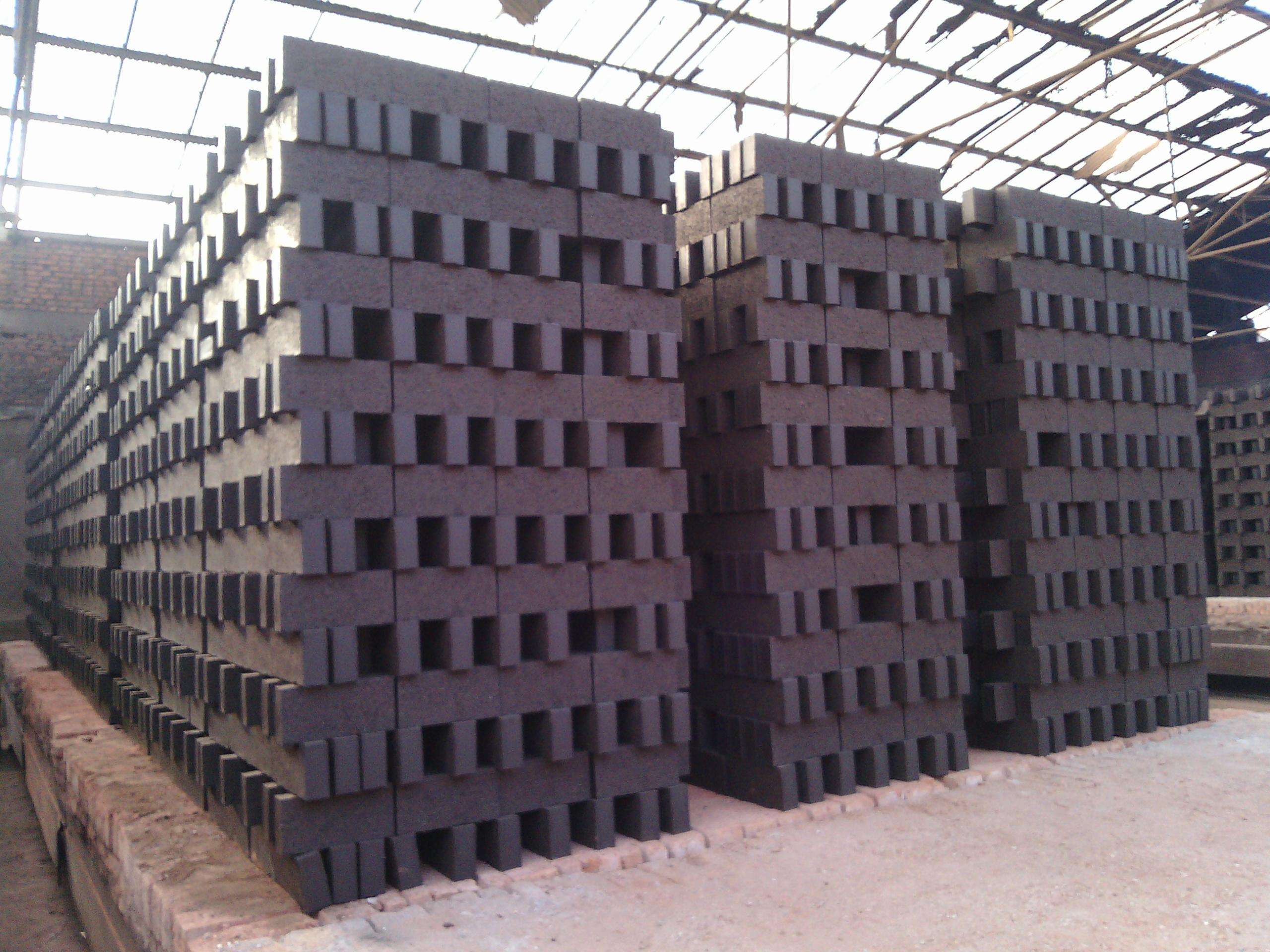
- Strength and Versatility: It can produce bricks of varying grades and strengths to meet the requirements of different construction projects.
- Flexibility in Design: The machine allows for the production of bricks in different shapes, sizes, and designs, catering to the specific needs of each project.
- Multiple Applications: From hollow blocks to solid bricks, paver blocks, and decorative bricks, the machine can produce a wide range of concrete products for diverse applications.
- Resource Efficiency: Waste concrete bricks can be recycled, enhancing the overall utilization of resources and promoting sustainability in construction practices.
Choosing the Right Model:
Selecting the appropriate Hollow Brick Making Machine involves considering several factors, including budget, production requirements, popular block sizes in the region, labor availability, and space constraints. Consulting with industry experts can help in making informed decisions tailored to specific project needs.
Reliable Manufacturer:
Finding a reputable manufacturer is crucial when investing in a Hollow Brick Making Machine. Conducting thorough research, visiting factory sites, comparing costs, assessing after-sales services, and seeking feedback from existing clients are essential steps in identifying a reliable supplier.
Production Process:
The production process of hollow bricks involves batching, mixing, molding, and curing. The machine's intelligent control system, hydraulic transmission, and vibration pressure molding ensure efficient and consistent brick production.
FAQs:
Common questions regarding the selection, installation, and operation of Hollow Brick Making Machines are addressed, providing clarity and guidance to potential buyers.
Conclusion:
In conclusion, the Hollow Brick Making Machine represents a significant advancement in construction technology, offering unmatched versatility, efficiency, and sustainability. As the demand for high-quality bricks continues to rise, investing in this innovative machine can pave the way for enhanced construction practices and infrastructure development worldwide.
Need help applying this to your project?
Send your material type, target output and site conditions to HAMAC engineers. You will receive a practical equipment configuration and a clear quotation, normally within one working day.
Questions about this topic
How do I choose batching plant capacity?
Estimate the concrete volume per day, then divide by the effective working hours. Add 20 to 30 percent headroom for peak demand. A 35 m³/h plant suits small contractors; 50 to 75 m³/h suits commercial supply; 90 m³/h and above suits large projects.
Which mixer type should I choose for my concrete?
Twin-shaft compulsory mixers are the default for commercial concrete because of short mixing cycles and uniform output. Planetary mixers suit high-grade or special mixes, and drum mixers suit smaller, simpler operations.
How often should wear parts be replaced?
Mixer blades and liners are inspected weekly and normally replaced every 6 to 12 months depending on abrasive content. Belt scrapers, screen meshes and pump wear plates follow the same inspection rhythm.
Can the plant be upgraded later?
Yes. Modular batching plants allow additional silos, a larger mixer or an upgraded control system to be added later without replacing the whole structure.
Keep reading
All news
Related articles
 Company News
HAMAC Expands Concrete Batching Plant Assembly Capacity
HAMAC Expands Concrete Batching Plant Assembly Capacity: how the process works at HAMAC, what is checked before shipment and what buyers can
Read more Exhibitions
HAMAC Highlights Concrete and Aggregate Equipment Solutions for Construction Projects
HAMAC Highlights Concrete and Aggregate Equipment Solutions for Construction Projects Equipment portfolio covers concrete production, mixing
Read more Company News
How HAMAC Controls Quality From Steel Cutting to Final Load Test
How HAMAC Controls Quality From Steel Cutting to Final Load Test: how the process works at HAMAC, what is checked before shipment and what bu
Read more