How to choose between a jaw crusher and a cone crusher for a quarry or recycling line, based on feed size, hardness, reduction ratio and product shape.
Different jobs in the crushing circuit
A jaw crusher is normally the primary stage. It accepts large feed, works by compression between a fixed and a moving jaw, and is valued for reliability and a high reduction ratio on tough rock. A cone crusher normally follows as a secondary or tertiary stage, taking the jaw's output and producing a more uniform, cubical aggregate.
Choosing a cone where a jaw is needed, or the reverse, is a common cause of a line that never reaches its rated output.
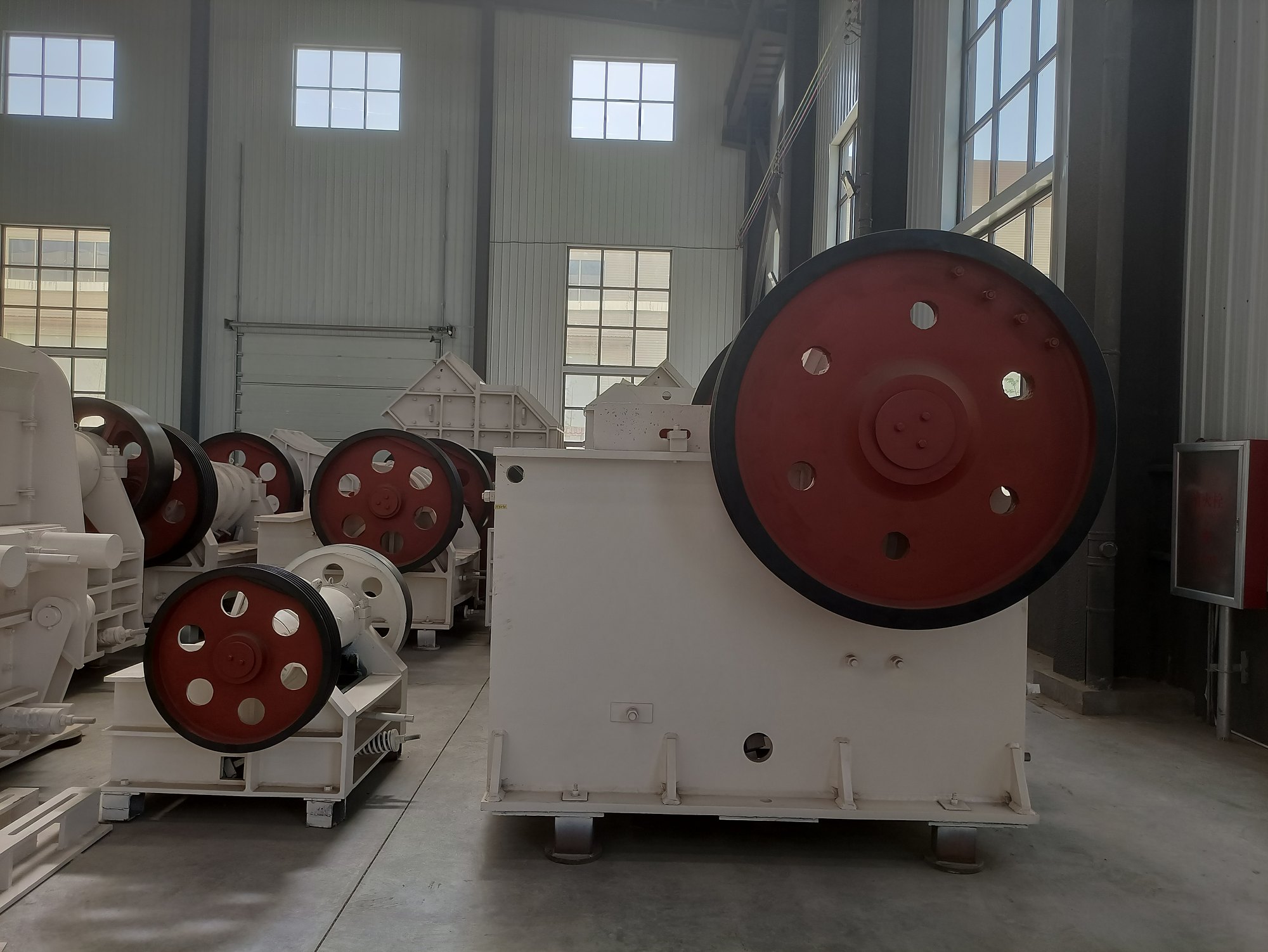
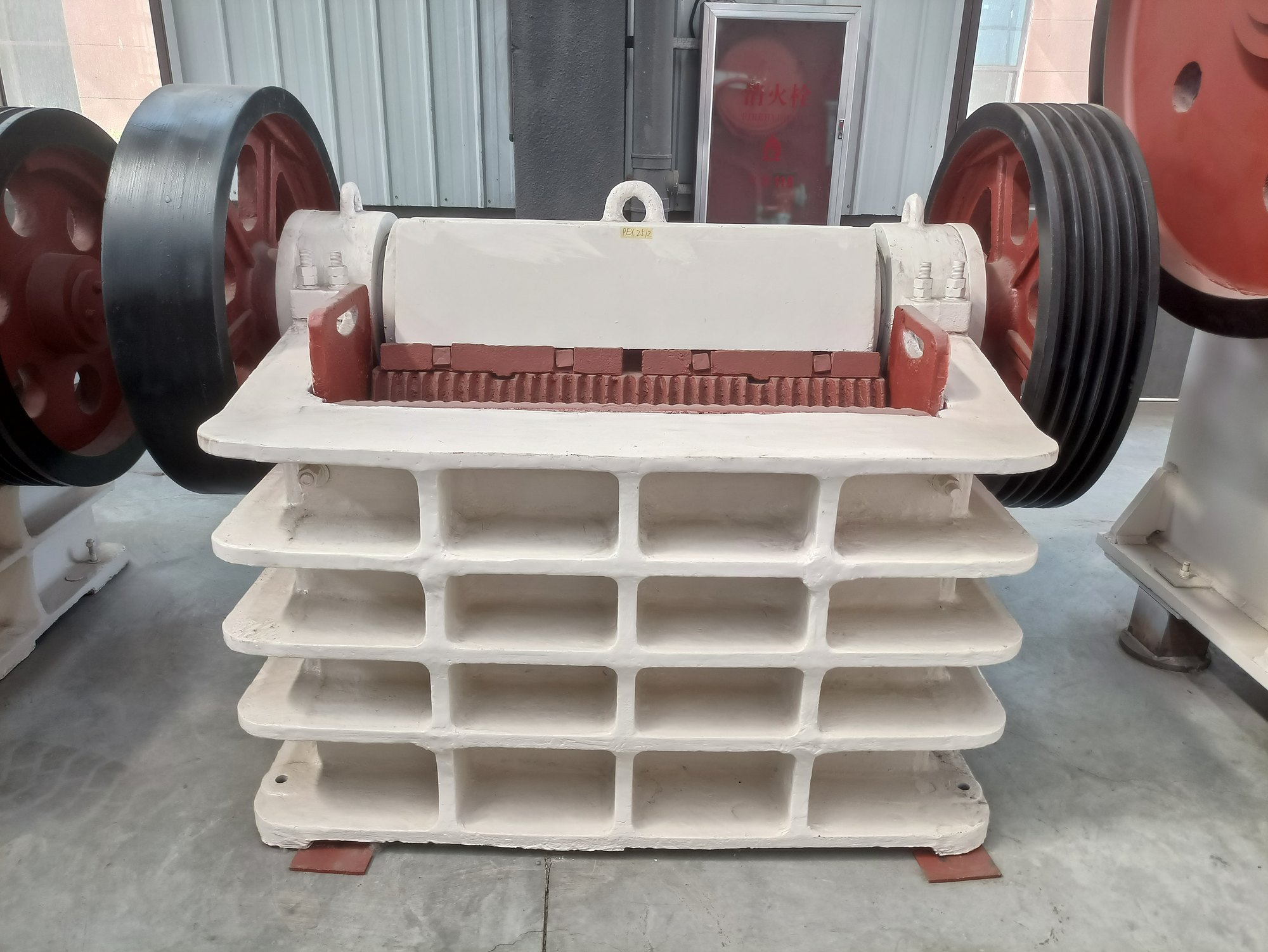
A jaw crusher handling primary crushing of quarried stone
Selection by material and duty
Feed size and abrasiveness drive the choice more than price does.
Criterion
Jaw crusher
Cone crusher
Role
Primary
Secondary / tertiary
Max feed
Up to ~1 m depending on model
Typically under 300 mm
Reduction ratio
3:1 to 6:1
3:1 to 5:1 per stage
Product shape
Flakier
More cubical
Best for
Hard rock, demolition, oversize
Hard stone, making sand and aggregate
Wear cost
Moderate
Higher on abrasive rock
Building a two-stage line
For a 150 t/h granite line, a typical arrangement is a jaw crusher taking 600 mm feed down to under 200 mm, followed by a cone crusher reducing that to the 0 to 40 mm product. A vibrating screen between the stages removes material already below size, which protects the cone from unnecessary wear and raises the whole line's efficiency.
Match the cone's feed opening to the jaw's discharge setting
Use a screen between stages to bypass finished material
Allow surge capacity so the cone is choke-fed, not starved
Specify liner hardness to the rock's abrasiveness, not just its compressive strength
HAMAC stone crusher machine - 5 supplied by HAMAC.
Need help applying this to your project?
Send your material type, target output and site conditions to HAMAC engineers. You will receive a practical equipment configuration and a clear quotation, normally within one working day.
Questions about this topic
Can a cone crusher replace a jaw crusher?
Not for large feed. A cone is a secondary or tertiary machine; a jaw is normally needed first to reduce run-of-quarry rock to a manageable size.
Which produces better aggregate shape?
A cone crusher generally produces a more cubical product, which is preferred for concrete aggregate, while a jaw alone tends to give flakier particles.
How do I reduce wear cost on abrasive rock?
Choose the right liner profile and material for the abrasiveness, keep the chamber choke-fed, and avoid feeding oversize that causes disproportionally high wear.
H
HAMAC Machinery Editorial Team
Written and reviewed by engineers and sales specialists who configure concrete batching plants, crushers, mixers and pumps for projects in more than 180 countries. Content is based on factory testing data and field feedback from delivered equipment.





 Company News

