How to size cement silos for a batching plant so production never stops waiting for cement deliveries.
Why silo capacity matters
A batching plant can only produce as long as it has cement. A silo that is too small forces frequent deliveries and risks running dry mid-pour, while an oversized silo ties up capital and site space. Correct sizing balances delivery frequency against storage cost.
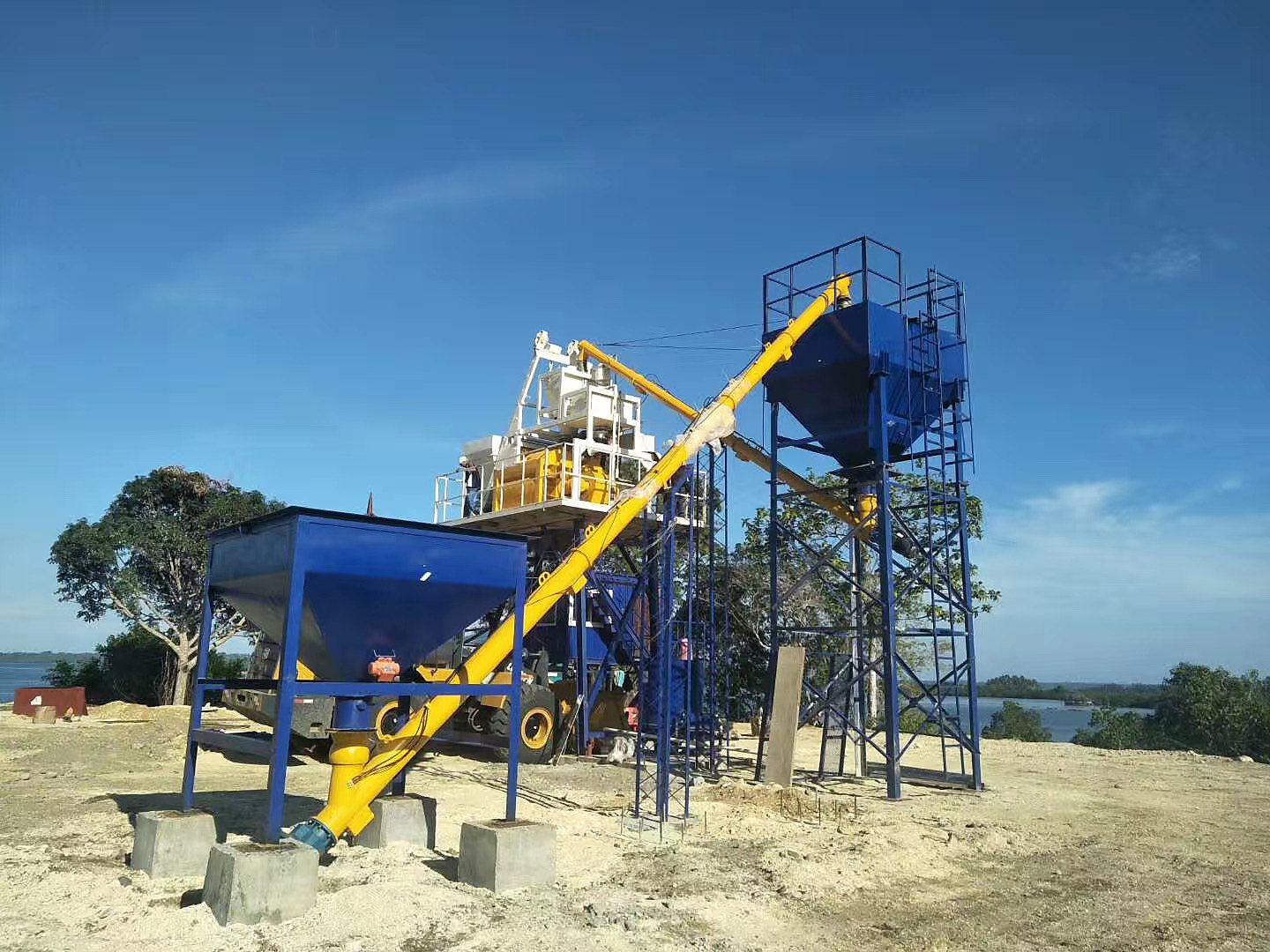
HAMAC concrete batching plant - 10.
Calculating the right size
Estimate cement consumption per cubic metre and multiply by the peak daily production. Then decide how many days of supply you want to hold between deliveries. For a plant using 300 kg of cement per m3 at 200 m3 per day, daily consumption is 60 tonnes; a 100-tonne silo gives roughly 1.5 days of buffer.
Plant output
Cement/day (approx)
Suggested buffer
60 m3/h peak
60-90 t
100 t silo
90 m3/h peak
90-140 t
2 x 100 t silos
Small 35 m3/h
20-35 t
50 t silo
Practical considerations
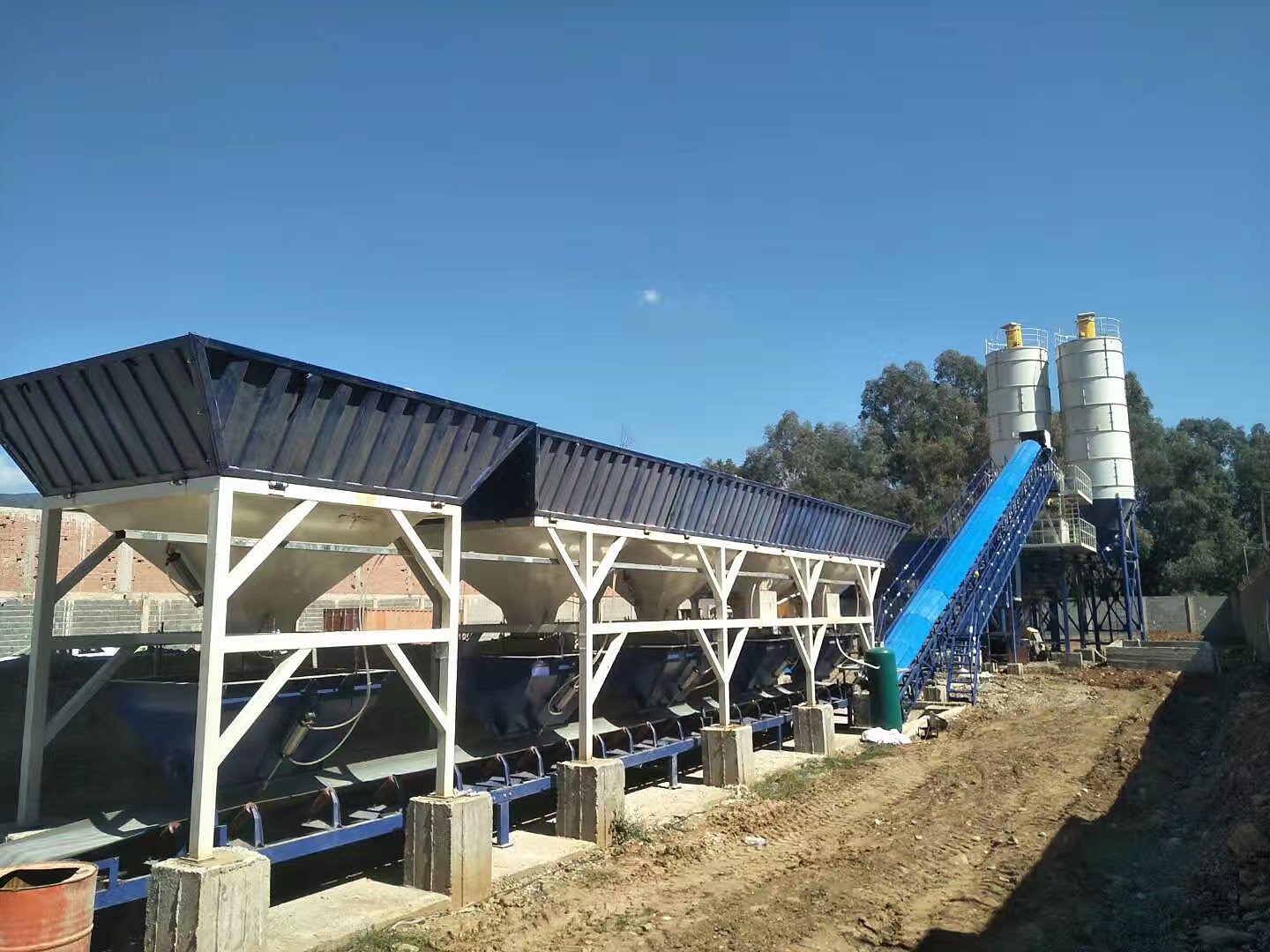
Several smaller silos give flexibility to store different cement types, while one large silo is simpler and cheaper per tonne. Allow for the fact that a silo is not usable down to empty, and check that delivery truck access and the screw conveyor capacity match the consumption rate.
HAMAC concrete batching plant - 9.
Need help applying this to your project?
Send your material type, target output and site conditions to HAMAC engineers. You will receive a practical equipment configuration and a clear quotation, normally within one working day.
Questions about this topic
How do I size a cement silo?
Multiply cement use per cubic metre by peak daily output, then choose storage that covers your desired days between deliveries.
How many silos do I need?
One large silo suits a single cement type; several smaller silos give flexibility for different cement grades.
What else should I check?
Screw conveyor capacity, truck access for refilling and the unusable volume at the bottom of the silo.
H
HAMAC Machinery Editorial Team
Written and reviewed by engineers and sales specialists who configure concrete batching plants, crushers, mixers and pumps for projects in more than 180 countries. Content is based on factory testing data and field feedback from delivered equipment.





 Company News

