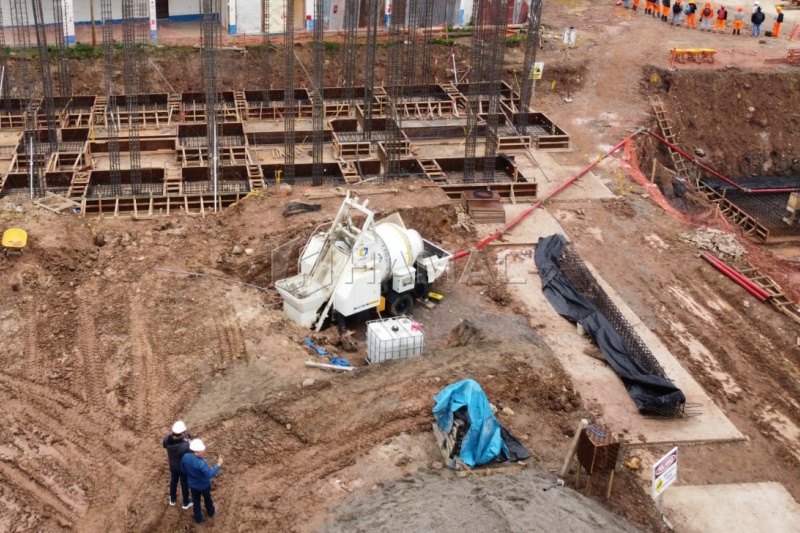
The first point is soil quality. If the sand and soil we need to excavate are too rigid, then plastic or wood buckets cannot easily excavate sand and soil. Therefore, when using this kind of parts, you must choose the material based on the strength of the soil, sand, plastic, and if it is heavy loess, only metal can be reliable.
The second point is the capacity of the bucket. Different sizes of buckets have different capacities, and different bucket capacities can produce different work efficiency for sand engineering. Therefore, for small projects, we can use a bucket with a small bucket capacity. If it is a large-scale sand excavation project, then a large-capacity bucket is needed.
In general, when using a bucket, we have to consider the soil quality of the sand and the work efficiency required by the project.
Configuration notes for equipment
Equipment selection starts with the material and the required daily output. Machine size alone is a poor basis for comparison between suppliers. In practice, the delivered scope for this type of work usually includes:
- correctly sized main machine for the required output
- material feeding and conveying system
- control system with manual and automatic modes
- wear parts package matched to the material
Site and operating conditions
Equipment working in the destination market has to deal with local material grading, power supply stability and the availability of skilled operators, all of which influence the final configuration more than the catalogue rating does. These points are reviewed during the technical clarification stage, because they change foundation design, electrical protection and the maintenance schedule.
What buyers should check before ordering
- confirm the quoted capacity is achievable with your actual material
- check the core component brands and the wear part material
- verify the power supply and foundation requirements on your site
- ask what commissioning and operator training is included
- confirm spare parts availability and typical delivery time
Key takeaways
- Base the selection on daily output and actual material, not on a model number.
- Confirm the quoted capacity matches your material and site conditions.
- Plan wear parts and a spare parts kit from the first year of operation.
HAMAC can review your requirement and propose a comparable configuration with a clear scope, schedule and support plan.





 Exhibitions