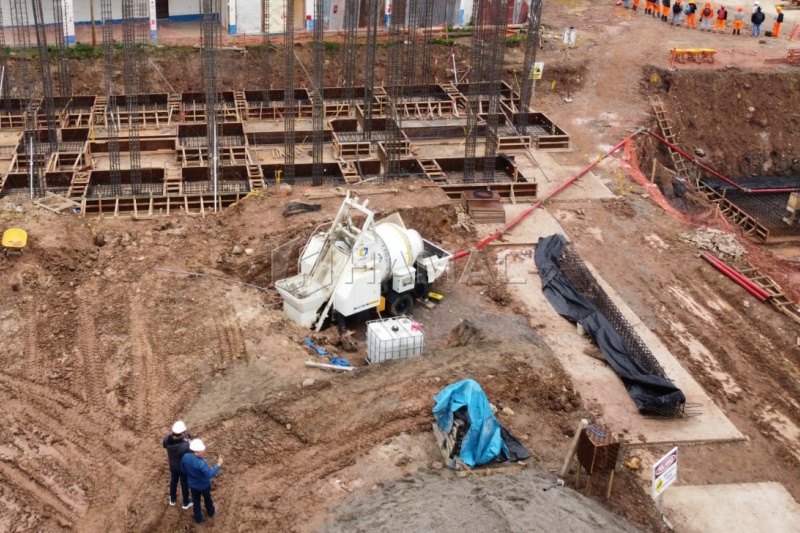
Concrete batching plant consist of material storing system, material weighting system, material conveying system, mixing system, powder material storing system, powder material conveying system, powder material weighing system, water and additive weighing system and control system five main parts and other accessory devices.
Concrete mixer
By mixing modes concrete mixer can be described as forced mix and gravity mix. Forced type mixer is the main stream on concrete batching plant market, it can mix liquid type concrete, half dry concrete and dry concrete multiple type concrete. Gravity type concrete mixers mainly are for liquid type concrete which is rarely applied in concrete batching plants.
Forced type concrete mixer can be separated as main shaft planetary mixer, single shaft horizontal mixer, and twin shaft horizontal mixer, among them twin shaft horizontal mixer has the best integrated applicable performance.
Weighing system
Material weighing system of concrete batching plant is a key part which can affect concrete quality and concrete production cost, it consist of aggregate weighing, powder material weighing and liquid weighing three parts. Normally batching plant capacity below 20cbm per hour apply accumulated weighing method, as aggregates(sand, rock) use a scale, cement and fly ash use a scale, water and liquid additive needs separate weighing, and then pour the liquid additive into the water scale for premix. And for batching plant capacity which is 50cbm per hour and above, separated weighing is mostly applied, all weighing are controlled by digital scale and computer. Aggregate weighing accuracy ±2%,cement, powder material, water and additive weighing accuracy can all get to ±1%。
Conveying system
Material convey consist of three parts:
1.aggregate convey:concrete batching plant has bucket conveying and belt conveying two modes, advantage of bucket conveying is small area coverage, simple structure. Advantage of belt conveying is long conveying distance, high efficiency, and low break down rate. Belt conveying mainly applies to concrete batching plant which has storing hopper, in order to increase the productivity. 2.powder material conveying:applicable powder materials are cement, fly ash and mine powder. Most commonly applied conveying mode is screw conveyor conveying, for mage batching plant there are options of pneumatic conveying and scraper conveying. Advantage of screw conveying is simple structure, low cost and reliable functioning. 3.liquid conveying:mainly water and liquid additive, they are supplied by water pump.
Storing system
Concrete use material storing mode is basically the same. Aggregates in open air(some city massive commercial concrete batching plant use sealed storing hopper as well); powder material use all sealed steel structure silo; additive use steel structure tank for storage.
Control system
Control system on concrete bathing plant is the nervous centralis, based on various client request and models of concrete batching plant, the control system will have different function and layout, generally speaking operation site using small concrete batching plant system is comparatively simple, while bigger plant system can be complex.
Need help applying this to your project?
Send your material type, target output and site conditions to HAMAC engineers. You will receive a practical equipment configuration and a clear quotation, normally within one working day.
Questions about this topic
How do I choose batching plant capacity?
Estimate the concrete volume per day, then divide by the effective working hours. Add 20 to 30 percent headroom for peak demand. A 35 m³/h plant suits small contractors; 50 to 75 m³/h suits commercial supply; 90 m³/h and above suits large projects.
Which mixer type should I choose for my concrete?
Twin-shaft compulsory mixers are the default for commercial concrete because of short mixing cycles and uniform output. Planetary mixers suit high-grade or special mixes, and drum mixers suit smaller, simpler operations.
How often should wear parts be replaced?
Mixer blades and liners are inspected weekly and normally replaced every 6 to 12 months depending on abrasive content. Belt scrapers, screen meshes and pump wear plates follow the same inspection rhythm.
Can the plant be upgraded later?
Yes. Modular batching plants allow additional silos, a larger mixer or an upgraded control system to be added later without replacing the whole structure.
H
HAMAC Machinery Editorial Team
Written and reviewed by engineers and sales specialists who configure concrete batching plants, crushers, mixers and pumps for projects in more than 180 countries. Content is based on factory testing data and field feedback from delivered equipment.





 Exhibitions