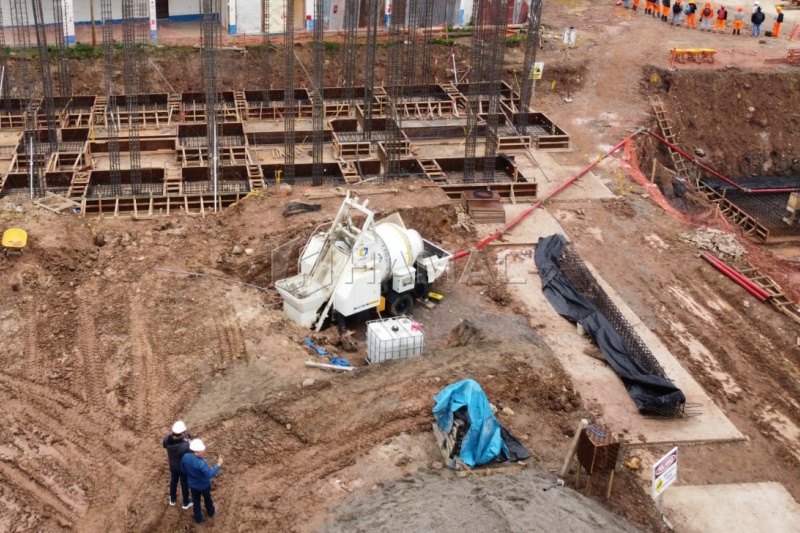
First of all, two key issues should be paid attention to in bucket reinforcement, one is firmness, and the other is effective. First of all, it is very good to find a welder with better skills. If the welding process is not in place, it will greatly affect the quality of the bucket and affect the service life of the bucket. There is no proof, we have pictures and the truth!
Secondly, don't blindly wear thick armor to the bucket, which will reduce efficiency and increase fuel consumption. An expert once did a study: for every 0.5 ton increase in the weight of the bucket, the cycle time increases by 10%, and the annual gross profit decreases by 15%. Therefore, the parts that need to be strengthened are welded instead of the overall welding.
Configuration notes for equipment
Equipment selection starts with the material and the required daily output. Machine size alone is a poor basis for comparison between suppliers. In practice, the delivered scope for this type of work usually includes:
- correctly sized main machine for the required output
- material feeding and conveying system
- control system with manual and automatic modes
- wear parts package matched to the material
Site and operating conditions
Equipment working in the destination market has to deal with local material grading, power supply stability and the availability of skilled operators, all of which influence the final configuration more than the catalogue rating does. These points are reviewed during the technical clarification stage, because they change foundation design, electrical protection and the maintenance schedule.
What buyers should check before ordering
- confirm the quoted capacity is achievable with your actual material
- check the core component brands and the wear part material
- verify the power supply and foundation requirements on your site
- ask what commissioning and operator training is included
- confirm spare parts availability and typical delivery time
Key takeaways
- Base the selection on daily output and actual material, not on a model number.
- Confirm the quoted capacity matches your material and site conditions.
- Plan wear parts and a spare parts kit from the first year of operation.
HAMAC can review your requirement and propose a comparable configuration with a clear scope, schedule and support plan.





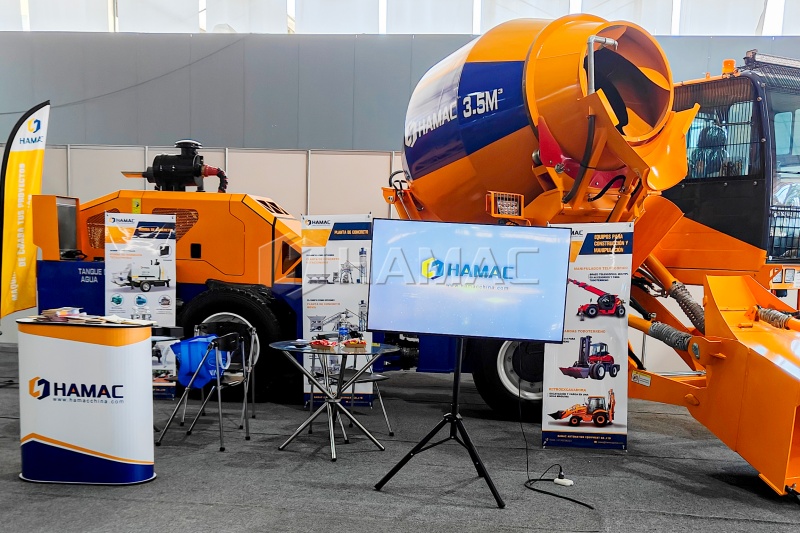
 Exhibitions