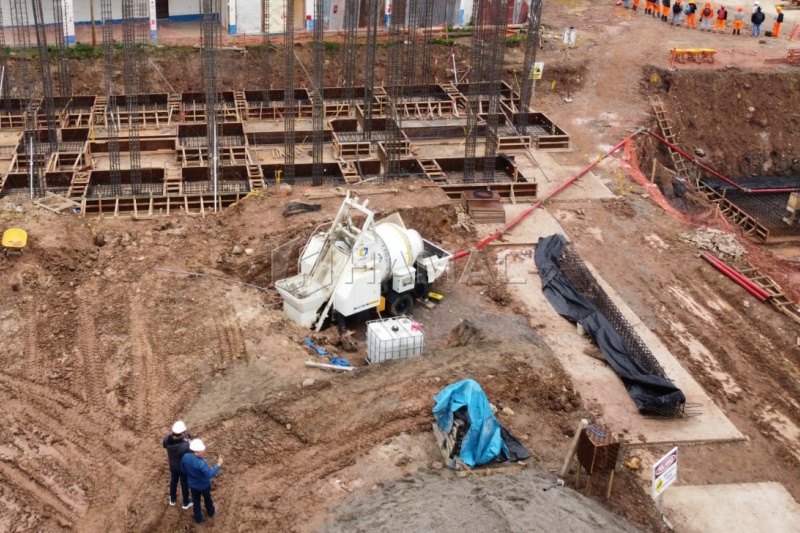
Dry mix concrete batch plant is mainly used in vast and sparsely populated areas where needs to take several hours to reach the construction sites. Instead of using concrete mixer to mix materials, the dry mix concrete batching plant adopts concrete mixer truck to mix and produce concrete in transit. Therefore, it has the characteristics of low cost, convenient installation and use, simple operation, high production efficiency, economic saving and strong universality.
Advantages of Dry Mix Concrete Batching Plant
Without concrete mixing system. This can reduce investment and get high return.
High efficiency. The concrete mixing truck stirs various raw materials and produce concrete during transportation, which can save time and improve working efficiency.
Easy operation. Operators use computers to control the whole production process and monitor the performance of each component.
Various types. Customer can choose the suitable model for them based on their own requirements referring to the parameters below.
Customizable. We can accept customers’ customization according to their construction needs.
Very suitable for engineering sites in vast and sparsely populated area.
Long service life. We use high quality production materials and advanced technology, which makes our dry mix concrete batching plant more durable.
Dry Mix Concrete Batching Plant Manufacturer – HAMAC
ZHENGZHOU HAMAC Automation Equipment Co.,Ltd with more than 20 years of concrete equipment production experience can produce various types of concrete batching plant, such as stationary concrete batching plant, mobile typemixing plant, ready mix cement batching plant equipment, dry mix batch plant, etc… We constantly innovate, introduce advanced production technology and combine with the advantages of varieties of other models, so that our machine has the characteristics of reasonable structure, excellent performance, reliable work, convenient operation, accurate measurement, good environmental performance and so on. In addition, we can give you the best price. Would like to know more details about the dry mix concrete plant? Call us directly or send us email for quotation now, we will be your reliable choice.





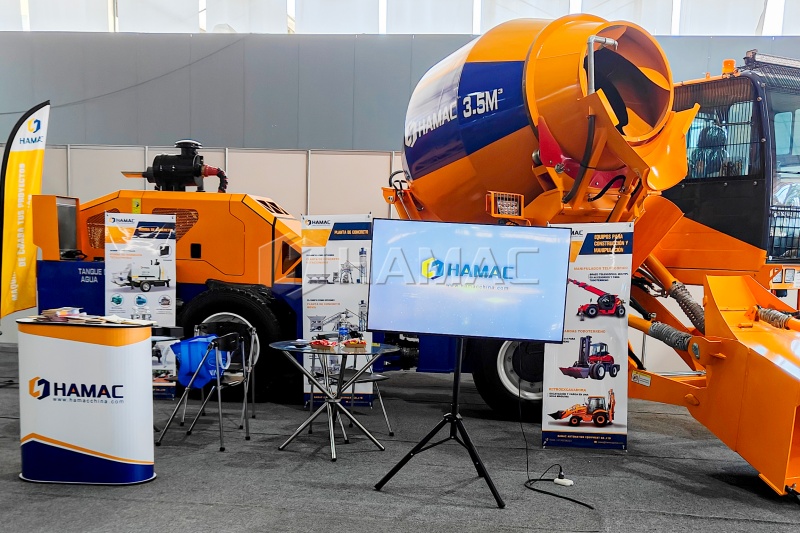
 Exhibitions