The journey of a concrete mixer at HAMAC, from order confirmation through fabrication, testing and export packing.
Order confirmation and design freeze
The process begins with a confirmed specification: mixer type, capacity, drive configuration and theplant or application it will serve. Once frozen, the bill of materials is released and long-lead components such as gearboxes and motors are reserved.
Freezing the specification early avoids costly changes once fabrication has started.
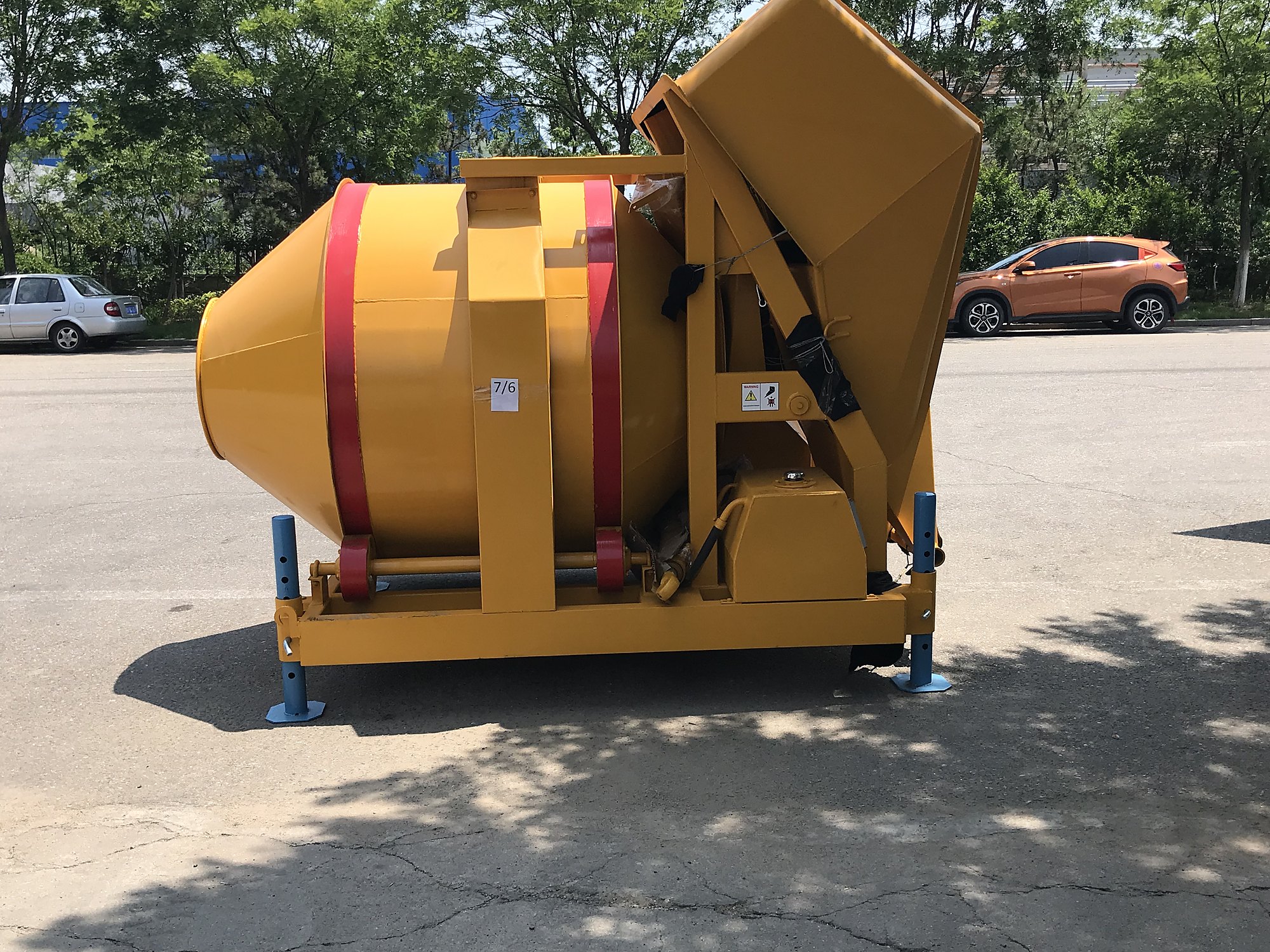
HAMAC concrete mixer - 1.
Fabrication and assembly
Steel parts are cut and formed, then welded into the mixer trough and frame in jigs. The shafts and paddles are fitted, bearings aligned and the drive installed. Wear parts are fitted and the mixing chamber is checked for clearance.
Testing and packing
The mixer runs dry and then with a test load to confirm mixing uniformity and check for leakage. Once approved, it is cleaned, treated against corrosion and packed with its wear-part kit and documentation.
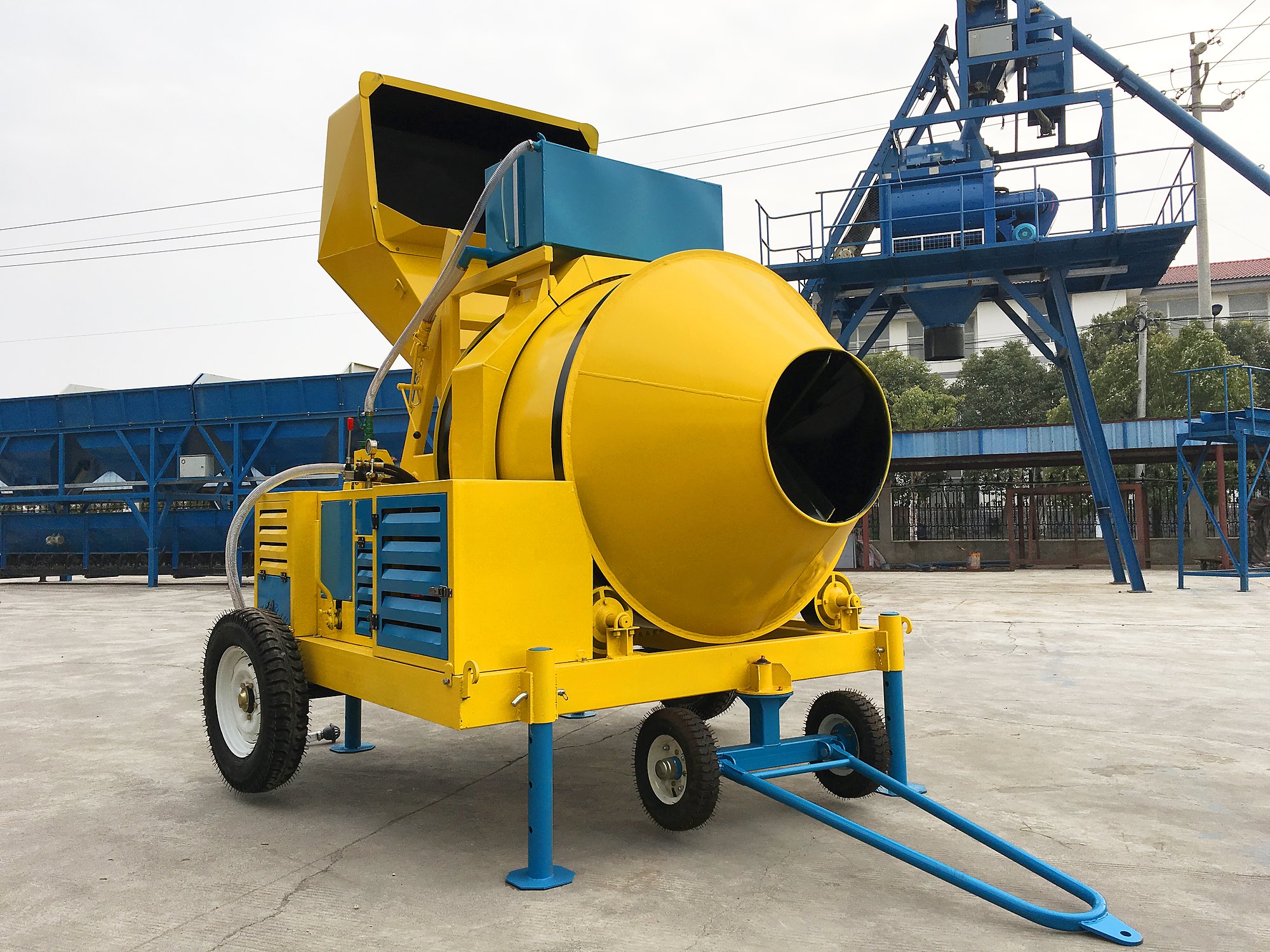
HAMAC concrete mixer - 3.
Need help applying this to your project?
Send your material type, target output and site conditions to HAMAC engineers. You will receive a practical equipment configuration and a clear quotation, normally within one working day.
Questions about this topic
How long does a mixer take to build?
Standard mixers are typically built and tested within 15 to 25 working days, depending on model and configuration.
What is checked before a mixer ships?
Mixing uniformity, shaft alignment, bearing condition, leakage and drive performance.
Are wear parts included?
A first-service wear-part kit is normally supplied with the mixer; the exact contents depend on the configuration.
H
HAMAC Machinery Editorial Team
Written and reviewed by engineers and sales specialists who configure concrete batching plants, crushers, mixers and pumps for projects in more than 180 countries. Content is based on factory testing data and field feedback from delivered equipment.





 Company News

